
I still remember the morning I almost threw my whisk across the kitchen.
It was 7:30 AM, my daughter was hovering around my ankles chanting “pancakes, pancakes” like a tiny breakfast-fueled mantra, and I was staring at yet another batch of those pale, flat, rubbery circles that had somehow become my signature. You know the ones—the pancakes that look beautiful on the griddle but deflate into sad little frisbees the moment they hit the plate.
I’d been making pancakes from boxed mixes for years. They were convenient, sure. But they always left something to be desired—that fluffy, golden, slightly crisp-on-the-edges magic that you get at your favorite diner or bakery.
So I did what any slightly obsessive home cook would do. I went down the rabbit hole.
I tested recipes from famous chefs, food bloggers, and old cookbooks. I experimented with different flours, different leavening agents, and even different pan temperatures. I ruined more pancakes than I care to admit—some were so dense they could have doubled as hockey pucks, others were so fragile they fell apart before I could even flip them.
But then, after countless batches and more butter than I probably should admit to using, I cracked the code. These homemade bakery-style pancakes are the result of all that trial and error. They’re tall, tender, golden-brown beauties that actually taste like something special—not just a vehicle for syrup.
The first time I made these for my family, my husband literally looked up from his plate and said, “Wait, these are from scratch?” My daughter, who was three at the time, abandoned her fork and just picked them up with her hands, shoving piece after piece into her mouth with the kind of pure joy only pancakes can inspire.
Now, Saturday mornings at our house have become a ritual. I make a double batch, we eat until we’re stuffed, and the leftovers (if there are any) get stashed in the freezer for quick weekday breakfasts. These pancakes have seen us through birthday mornings, lazy snow days, and that one particularly chaotic morning when the power went out and I ended up making them on a camp stove on the back porch.
This recipe is my gift to you—because everyone deserves to know how to make proper pancakes.
Why You’ll Love This Recipe
- No special equipment required – You don’t need a stand mixer or any fancy gadgets. A whisk, a bowl, and a pan are all you need.
- The texture is unbeatable – These pancakes are fluffy, tender, and have those beautiful crispy golden edges that bakery pancakes are famous for.
- Simple pantry ingredients – No buttermilk? No problem. This recipe uses ingredients you probably already have in your kitchen.
- Foolproof for beginners – I’ve included all the little visual cues and timing tips that make these foolproof, even if you’ve never made pancakes from scratch before.
- Endlessly customizable – Once you master the base recipe, you can add blueberries, chocolate chips, or whatever your heart desires.
Ingredients List
For the Pancakes
- 2 cups all-purpose flour (spooned and leveled, not scooped)
- ¼ cup granulated sugar
- 2 teaspoons baking powder (make sure it’s fresh!)
- ½ teaspoon baking soda
- ½ teaspoon salt
- 1 ¾ cups whole milk (or 2%, but whole gives you the best texture)
- 2 large eggs (at room temperature—more on this later)
- ¼ cup unsalted butter, melted (plus extra for the pan)
- 1 teaspoon vanilla extract
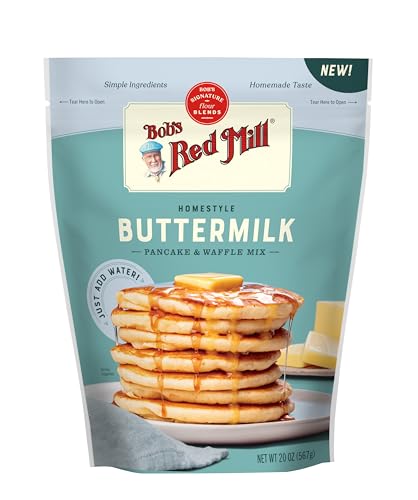
- Nothing says cozy comfort like the aroma of warm, golden pancakes fresh off the griddle. Made with simple ingredients, t…
- Bob’s Signature Blends: The secret to scratch-quality results—every time—is a custom blend of Bob’s Red Mill premium flo…
- Homemade Taste Is In the Mix: We’ve premeasured and blended our high-quality ingredients, so you can create a stack of i…
For Serving (Optional but Highly Recommended)
- Real maple syrup (the good stuff, not the corn syrup impostor)
- Unsalted butter (for slathering between layers)
- Fresh berries (blueberries, strawberries, or raspberries)
- Powdered sugar (for that bakery finishing touch)
Substitutions
- Milk – You can use buttermilk if you have it (just reduce baking powder to 1½ teaspoons). For a dairy-free version, use oat milk or almond milk.
- Flour – I’ve successfully made these with 1:1 gluten-free flour blends, though the texture is a bit more delicate.
- Eggs – To make these vegan, use a flax egg (1 tablespoon ground flaxseed mixed with 3 tablespoons water per egg). The texture won’t be exactly the same, but they’ll still be delicious.

Step-by-Step Instructions
Step 1: Prep Your Ingredients and Station
Before you even think about mixing, get everything out and measured. I learned this the hard way—there’s nothing worse than realizing your eggs are still cold while the butter is already melted and waiting.
Take your eggs out of the fridge and let them sit in a bowl of warm water for about 5 minutes. Room-temperature eggs incorporate better into the batter and give you a fluffier result.
Melt your butter in the microwave or in a small saucepan on the stove. Let it cool slightly while you mix the dry ingredients—you don’t want it to be piping hot when you add it to the batter or you’ll risk cooking the eggs.
Step 2: Mix the Dry Ingredients
In a large mixing bowl, whisk together the flour, sugar, baking powder, baking soda, and salt. Use a whisk and make sure everything is evenly distributed. I like to do this for about 30 seconds, lifting the whisk up and down to aerate the flour slightly.
Here’s the thing about baking powder—it loses its potency over time. If yours has been sitting in your pantry for over six months, I’d recommend getting a fresh can. Your pancakes will thank you.
Step 3: Mix the Wet Ingredients
In a separate medium bowl, whisk together the milk, eggs, melted butter, and vanilla extract. Make sure the butter has cooled enough that it doesn’t cook the eggs when you mix them together. The mixture should be smooth and slightly frothy on top.
Step 4: Combine Wet and Dry (The Secret Is in the Lumps)
Here’s where most pancake recipes go wrong. You need to resist the urge to overmix.
Pour the wet ingredients into the dry ingredients and gently fold them together with a rubber spatula or wooden spoon. Use a folding motion—bringing the spatula from the bottom of the bowl up and over the top—rather than stirring in circles.
Stop mixing the moment you don’t see any more dry flour streaks. The batter should be thick, slightly lumpy, and just barely combined. It’s okay if there are a few small lumps of flour remaining—they’ll work themselves out while the batter rests.
If you overmix, you’ll develop too much gluten, and your pancakes will come out tough and rubbery instead of light and fluffy. Trust me on this one—I’ve made that mistake more times than I’d like to count.
Step 5: Let the Batter Rest (Don’t Skip This!)
This is the step that transforms good pancakes into bakery-style pancakes.
Cover your bowl with a kitchen towel and let the batter rest for 10 to 15 minutes. During this time, the baking powder and baking soda will activate, creating tiny bubbles throughout the batter. The flour will also absorb the liquid, resulting in a thicker, more cohesive mixture that will puff up beautifully on the griddle.
When you come back to the batter, you’ll notice it’s slightly puffed and full of bubbles. This is exactly what you want.
Step 6: Heat Your Pan or Griddle
While the batter rests, heat your pan or griddle over medium heat. If you have a cast iron griddle, now’s the time to break it out—it holds heat beautifully and creates those perfect golden-brown edges.
To test if your pan is ready, flick a few drops of water onto the surface. If they sizzle and dance across the pan, you’re good to go.
Add a small pat of butter or a drizzle of neutral oil (I use avocado oil) and let it melt and spread across the surface. You want enough to coat the pan but not so much that your pancakes are swimming in it.
Step 7: Pour the Batter
Using a ¼-cup measuring cup or a ladle, pour the batter onto the hot pan. Keep the cup close to the surface as you pour—this helps the pancakes spread into nice, even circles.
Here’s my trick for perfectly round pancakes: pour slowly from the center and let the batter naturally spread outward. Don’t swirl it around or spread it with the back of the cup—let it find its own shape.
At this point, you might be tempted to add blueberries or chocolate chips. If you’re adding mix-ins, sprinkle them on top of the wet batter now, before the pancakes set.
Step 8: Watch for the Bubbles
This is the moment of truth. Let the pancakes cook undisturbed for 2 to 3 minutes. You’ll know it’s time to flip when you see bubbles forming on the surface and the edges start to look set and slightly dry.
Don’t flip too early—I’ve made this mistake countless times, and it always results in pale, floppy pancakes. Be patient and wait for those bubbles to appear and start popping.
Step 9: Flip with Confidence
Slide your spatula all the way under the pancake and flip it with a quick, decisive motion. The cooked side should be a beautiful golden-brown with little specks of caramelization. If it’s too pale, adjust your heat up slightly for the next batch.
Cook the second side for 1 to 2 minutes until it’s also golden brown. The pancake should feel slightly springy to the touch when it’s done.

Step 10: Keep Them Warm
This is my mom’s trick—place cooked pancakes in a single layer on a baking sheet in a 200°F oven while you finish the rest of the batch. This keeps them warm and prevents them from getting soggy if you stack them too early.
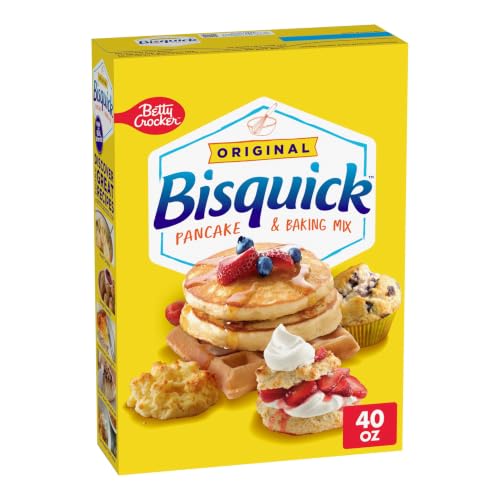
- PANCAKE MIX AND MORE: Craft deliciously fluffy pancakes, waffles, biscuits, and beyond; An ideal ingredient in your favo…
- ORIGINAL BISQUICK: Make it your go-to mix for pancakes, waffles, biscuits, and more – so many ways to Bisquick; It’s the…
- BETTY CROCKER QUALITY: Made with no colors and no artificial flavors, so the great taste of your recipes shines through
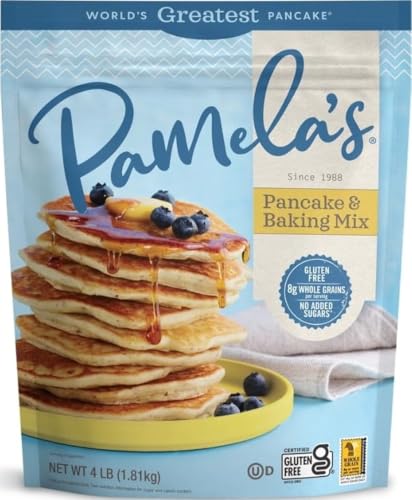
- Wheat free and gluten free
- Number one selling gluten free mix
- Versatile backing anything mix
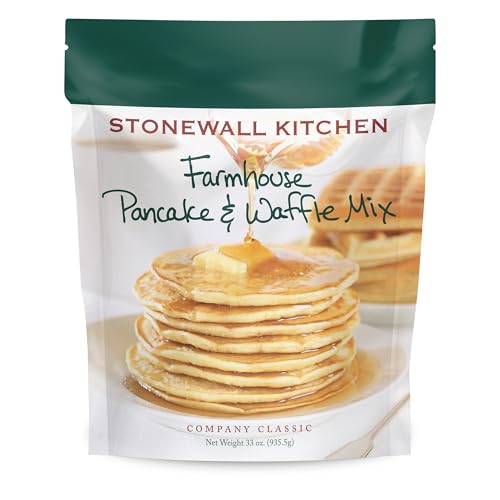
- Stonewall Kitchen Farmhouse Pancake & Waffle Mix, 33oz Stand-Up Pouch
- Our farmhouse pancake mix makes light and fluffy pancakes with a rich aroma of vanilla. You can also use our pancake and…
- Our classic pancake and waffle mix makes your weekend breakfast as effortless as putting on your slippers!
Pro Tips & Tricks
The Temperature Dance
One of the biggest revelations for me was learning to adjust the heat as I cooked. I used to keep the pan on the same temperature throughout, but now I start at medium and gradually lower it to medium-low after the first few batches. This prevents the pancakes from burning as the pan gets hotter over time.
The Buttermilk Hack
If you want even tangier, fluffier pancakes, you can mimic buttermilk by adding 1 tablespoon of white vinegar or lemon juice to your milk and letting it sit for 5 minutes before using. I often do this when I’m craving that classic buttermilk taste but don’t have any on hand.
Don’t Overcrowd the Pan
I know you want to get through the batter as quickly as possible, but resist the urge to crowd your pan. Give each pancake at least an inch of space—this allows the heat to circulate and ensures even cooking. I usually fit two to three pancakes in a standard 12-inch pan, depending on their size.
My Accidental Discovery
One morning, I ran out of vanilla extract and used almond extract instead. The result was incredible—a subtle, nutty flavor that’s become our favorite variation. Don’t be afraid to experiment with different extracts.
The Secret to Golden Edges
Want those crispy, caramelized edges that bakery pancakes have? Use a combination of butter and a tiny splash of oil in your pan. The milk solids in the butter create the color, while the oil prevents the butter from burning too quickly.
Variations & Substitutions
Blueberry Bliss Pancakes
After you pour the batter, gently press fresh or frozen blueberries into the surface. I prefer frozen blueberries because they don’t burst and bleed into the batter as much, but either works. Fold a few into the batter itself for pockets of jammy fruit throughout.
Chocolate Chip Heaven
Sprinkle a generous handful of semi-sweet chocolate chips over the wet batter before flipping. My daughter insists on these, and I can’t blame her. Just watch your heat—chocolate chips can burn quickly.
Lemon Poppy Seed Pancakes
Add the zest of one lemon and 2 tablespoons of poppy seeds to the dry ingredients. Top with a simple lemon glaze (powdered sugar mixed with lemon juice) for a pancake that feels more like dessert than breakfast.
Vegan Version
Use plant-based milk (I like oat milk best here), replace the eggs with flax eggs, and use vegan butter. The texture will be slightly more delicate, but they’re still absolutely delicious.
Gluten-Free Option
I’ve had great success with King Arthur Flour’s measure-for-measure gluten-free flour blend. The pancakes are slightly more fragile than the wheat version, so be extra gentle when flipping.
Serving Suggestions
These pancakes are incredible on their own, but here are a few ways I love to serve them:
- The Classic Stack – Three pancakes high with pats of butter between each layer, drizzled with warm maple syrup.
- The Berry Topper – A pile of fresh berries macerated with a little sugar for 15 minutes until they’ve released their juices.
- The Breakfast Feast – Serve alongside crispy bacon or sausage for the perfect sweet-savory balance.
- The Brunch Spread – These are always a hit at brunch gatherings. I usually make a double batch and set up a topping bar with syrup, whipped cream, fruit, and nuts so everyone can build their own stack.
FAQ’s
Can I use this pancake batter for waffles?
Yes, you can! The batter works beautifully in a waffle iron. Just follow your waffle maker’s instructions and note that the cooking time may be slightly longer than regular waffle batter.
Can I freeze these pancakes?
Absolutely! Let them cool completely on a wire rack, then place them in a single layer on a baking sheet and freeze until solid (about 1 hour). Transfer the frozen pancakes to a freezer-safe bag or container. To reheat, pop them in the toaster or microwave for a quick breakfast.
Why are my pancakes flat?
This could be due to a few things: old baking powder (replace if it’s been more than six months), overmixing the batter (which deflates the bubbles), or not letting the batter rest before cooking. Also, make sure your pan isn’t too hot, which can cause the pancake to set before it rises.
Can I make the batter the night before?
You can, but I’d recommend mixing the dry and wet ingredients separately and storing them in the fridge overnight. Combine them the morning of—the leavening agents lose their potency quickly once they get wet.
What’s the best way to reheat leftover pancakes?
I love the toaster method—it gives you that crisp exterior back. You can also reheat them in a 350°F oven for 5 minutes, or a quick 15-20 seconds in the microwave if you’re in a hurry.
Can I double this recipe?
Yes, this recipe doubles beautifully. Just be gentle when mixing the larger quantity of batter to avoid overdeveloping the gluten. And make sure you have a large enough bowl to give yourself room to fold everything together.
My pancakes are browning too fast on the outside but are still raw inside. What gives?
Your heat is too high! Turn your burner down to medium-low and be more patient. Pancakes need gentle heat to cook all the way through without burning.
Related Recipes:
- High-Protein Greek Yogurt Pancakes for a Healthy Breakfast
- High-Protein Greek Yogurt Pancakes for a Healthy Breakfast
- Lemon Ricotta Pancakes – Light and Fluffy Breakfast
- Chocolate Chip Pancakes – Sweet Homemade Breakfast
- Fluffy Banana Pancakes: My Saturday Morning Obsession
Final Thoughts
Making pancakes from scratch isn’t just about the end result—it’s about the ritual of it all. It’s about measuring out the flour, waiting for those bubbles to appear, and knowing when exactly to flip. It’s about the smell of butter hitting a hot pan, the sizzle of the batter, and the way everyone gathers around the kitchen while you cook, peeking over your shoulder and asking if they’re ready yet.
This recipe is the one I wish I’d had years ago, before all those disappointing batches. It’s the one that finally, after all that trial and error, made me proud to call myself a pancake maker.
I really hope you’ll try these homemade bakery-style pancakes this weekend. Maybe you’ll make them for a sleepy Saturday morning, just like I do with my family. Maybe you’ll surprise someone special with breakfast in bed. Or maybe you’ll just make them for yourself, because you deserve something delicious.
When you do, I’d love to hear about it. Drop me a comment below and let me know how they turned out—I still get so excited hearing about other people’s pancake successes. Did you try a fun variation? Make any discoveries of your own? I’m all ears.

