
I still remember the exact Saturday morning when I decided I was done with boxed pancake mix. My son was about three years old, sitting in his high chair, flinging pieces of a sad, pale pancake across the kitchen floor. The box had promised “fluffy, golden perfection” but delivered something that tasted like cardboard with a hint of vanilla extract.
I looked at the half-empty bag of whole wheat flour sitting in my pantry—leftover from a failed attempt at bread baking—and thought, “Why not?” I mashed up a couple of overripe bananas that were destined for the trash, cracked some eggs, and started experimenting. The first batch was… edible. The second batch was better. By the third batch, I had tears in my eyes—not from the onion I hadn’t chopped, but from the realization that I’d just made the best pancakes of my life.
These whole wheat banana pancakes aren’t just a recipe. They’re a weekly ritual in my house now. Every Sunday morning, my kids wander into the kitchen still in their pajamas, drawn by the smell of bananas caramelizing in the pan. My husband claims he can sleep through anything, but the sizzle of butter hitting a hot griddle has him shuffling toward the coffee maker before I’ve even cracked the first egg.
What started as a desperation move has become our family’s favorite tradition. And I’m going to show you exactly how to make them—mistakes, shortcuts, and all.
Why You’ll Love These Whole Wheat Banana Pancakes
Let’s be real for a second. I’m not here to sell you on some complicated recipe that requires a culinary degree and special equipment. These pancakes are:
- Made with pantry staples – No fancy flours, no buttermilk you forgot to buy. If you’ve got flour, eggs, milk, and a couple of sad bananas, you’re in business.
- Ready in under 20 minutes – From dry ingredients to plate in about the time it takes to brew coffee. Weekday breakfast? Absolutely.
- Actually good for you – Whole wheat flour adds fiber and nutrients, bananas provide natural sweetness (so you use less sugar), and the protein from eggs keeps you full past 10 AM.
- Impossible to mess up – I’ve made these with almond milk, oat milk, regular milk, and even watered-down yogurt when I was out of milk. They always work.
- Kid-approved and adult-loved – My picky toddler devours these without complaint. My foodie sister requests them when she visits. Everyone wins.
- Freezer-friendly – Make a double batch on Sunday and reheat them all week. I’ll show you exactly how below.
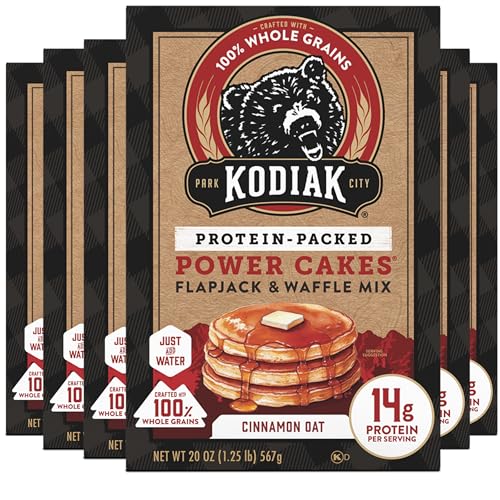
- You will receive a Pack of (6) Kodiak Cakes Protein Pancake Power Cakes, Flapjack and Waffle Mix, Cinnamon Oat, 20 Ounce
- Made with whole wheat and oat flours, and packed with 14g protein per serving
- Made with Non-GMO ingredients
Ingredients for Whole Wheat Banana Pancakes
Here’s what you need to grab. I’ve included measurements for a standard batch (about 8-10 pancakes), plus substitutions where I’ve tested them myself.
Dry Ingredients
- 1½ cups whole wheat flour – I use King Arthur brand because it’s consistently ground and not too heavy. You can also use white whole wheat flour for a milder flavor—it’s what I reach for when my kids are being extra picky.
- 2 tablespoons sugar – I use brown sugar when I want a deeper flavor, but regular granulated works great. You can even skip it entirely if your bananas are super ripe.
- 2 teaspoons baking powder – Make sure it’s fresh! I learned this the hard way after a batch of flat, dense pancakes. If your baking powder has been sitting in the pantry for years, replace it.
- ½ teaspoon baking soda – This helps balance the acidity from the bananas and buttermilk (if you’re using it).
- ½ teaspoon salt – I use fine sea salt. Don’t skip this—it makes everything taste more like itself.
- 1 teaspoon cinnamon – Optional but highly recommended. It makes your kitchen smell like a bakery.
Wet Ingredients
- 2 medium overripe bananas – The spotty ones are best. I’m talking brown spots, almost black. Those are pure sweetness and perfect for this recipe.
- 1 cup milk – Any milk works here. I’ve used whole milk, 2%, almond milk, oat milk, and even coconut milk. Each changes the texture slightly but all work beautifully.
- 2 large eggs – Room temperature is ideal, but honestly? I forget to take them out of the fridge all the time. They still work.
- 2 tablespoons melted butter – Plus extra for greasing the pan. I use unsalted so I can control the salt level.
- 1 teaspoon vanilla extract – Pure vanilla, not imitation. It makes a difference, I promise.
For Cooking
- Butter or oil for the pan – I’m a butter girl through and through. The flavor is unmatched. But coconut oil works great and tolerates higher heat if you tend to get distracted (guilty).


- Made with whole grain wheat and oat flours, and packed with 14 g protein per serving.
- Easiest to make, just add water.
- All Natural
Step-by-Step Instructions: How to Make Whole Wheat Banana Pancakes
Step 1: Mash Those Bananas
First things first—get your bananas into a bowl and start smashing. I use a fork and get a little aggressive with it. You want some small chunks but mostly a mushy consistency. Think chunky applesauce, not baby food. That texture will give you little pockets of banana in your pancakes, which is honestly the best part.
Step 2: Combine the Wet Ingredients
Add your eggs, melted butter, milk, and vanilla to the mashed bananas. Whisk everything together until it’s well combined. The mixture will look a little lumpy from the banana chunks—that’s exactly what we want. Don’t overmix here; just get everything incorporated.
Step 3: Mix the Dry Ingredients
In a separate large bowl, whisk together your whole wheat flour, sugar, baking powder, baking soda, salt, and cinnamon. I use a whisk and make sure there are no clumps. Whole wheat flour can be dense, so this step matters. Take about 30 seconds to really break everything up.
Step 4: Combine Wet and Dry
Here’s where I used to mess up. Pour your wet ingredients into the dry ingredients and stir gently with a rubber spatula or wooden spoon. Stop stirring as soon as you don’t see streaks of dry flour. The batter will be lumpy. It will look a little thick. That’s exactly what you want.
Overmixing pancakes is the number one reason they turn out tough and rubbery. The gluten in the flour develops when you stir, and whole wheat has more gluten than all-purpose. So stir until just combined—about 10 to 15 strokes—and walk away.
Step 5: Rest the Batter
This step changed my pancake game entirely. Let the batter sit for 5–10 minutes while your pan heats up. This gives the whole wheat flour time to absorb the liquid and soften. The batter will thicken slightly, and your pancakes will turn out lighter and fluffier. I use this time to start my coffee or set the table.
Step 6: Heat Your Pan
Place a griddle or large nonstick skillet over medium heat. Let it heat for at least 2–3 minutes. You want the pan hot enough that a drop of water sizzles and dances across the surface. Add a pat of butter and let it melt and bubble. Swirl it around to coat the bottom.
Step 7: Cook the Pancakes
Use a ¼-cup measuring cup to scoop batter onto the hot griddle. I use the back of the measuring cup to nudge the batter into a circle because whole wheat batter can be a little stubborn. Leave about an inch of space between pancakes for spreading.
Cook for 2–3 minutes on the first side. You’ll know it’s ready when you see bubbles forming on the surface and the edges look set and slightly dry. The bottom should be deep golden brown. Carefully flip with a thin spatula.
Cook for another 1–2 minutes on the second side until golden and cooked through. The pancake should spring back slightly when you press the center with your finger.
Step 8: Keep Them Warm
I learned this trick from my grandma: place cooked pancakes on a baking sheet in a 200°F oven while you finish the rest. This keeps them warm without drying them out. A wire rack on top of the baking sheet works even better—it prevents the bottoms from getting soggy.
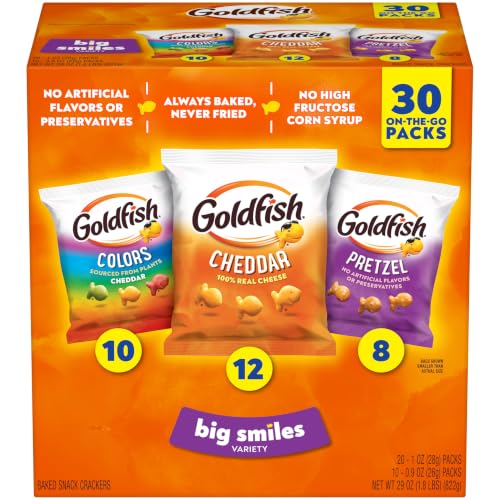
- Variety pack includes: 10 single-serving packs of Goldfish colors, 12 packs of Goldfish cheddar, 8 packs of Goldfish pre…
- Always baked, never fried: Goldfish crackers are always baked with no artificial flavors or preservatives
- Keep Goldfish within reach: from after-school snacking to mealtime, you can have all your favorite Goldfish flavors hand…

Pro Tips & Tricks for Perfect Whole Wheat Banana Pancakes
1. The Ripeness Sweet Spot
I can’t stress this enough—the blacker the banana, the better. If you don’t have overripe bananas, you can speed up the process by baking them on a sheet pan at 300°F for 15–20 minutes until the skins turn black. Let them cool, then scoop out the insides. It’s not exactly the same, but it works in a pinch.
2. Let the Batter Rest
I mentioned this above, but it’s worth repeating. Resting the batter for 5–10 minutes allows the whole wheat flour to hydrate and the gluten to relax. Your pancakes will be noticeably fluffier. I’ve tested this side by side, and there’s a real difference.
3. Don’t Press Down on the Pancakes
I know it’s tempting to press down with your spatula to “flatten” them, but resist. All that does is squeeze out the air and make them dense. Let them cook undisturbed until the bubbles appear.
4. The Right Heat is Medium
Too hot and the outside burns before the inside cooks. Too low and they’ll be pale and greasy. Medium heat is your sweet spot. And if you’re using a gas stove versus electric, you might need to adjust. I use medium-low on my gas stove and medium on my mother’s electric. Trust the visual cues more than the dial.
5. Keep Your Pan Greased
I add a small pat of butter between every batch. This prevents sticking and gives each pancake a beautiful golden edge with those crispy, buttery lacey bits. If you’re using oil, a light coating works best.
6. How to Tell They’re Done
The first side should have bubbles that pop and leave little craters. The edges should look dry and set. When you flip, the underside should be beautifully browned. If you’re unsure, cut into one and check the center—there shouldn’t be any raw, shiny batter.

Variations & Substitutions for Whole Wheat Banana Pancakes
Gluten-Free Version
Swap the whole wheat flour for a 1:1 gluten-free baking flour blend. I use Bob’s Red Mill Gluten-Free 1-to-1 Baking Flour. You might need an extra splash of milk since gluten-free flours absorb liquid differently. Add 1–2 tablespoons more milk until the batter reaches the same consistency as the regular version. The texture will be a bit more delicate, so flip gently.
Vegan Version
Replace the eggs with two flax eggs (2 tablespoons ground flaxseed mixed with 6 tablespoons water, let sit for 5 minutes). Use plant-based milk and replace the butter with coconut oil or vegan butter. Your pancakes will be slightly denser but still delicious. I tested this when a vegan friend came over, and we all polished off the stack without complaint.
Dairy-Free Version
Swap the milk for your favorite non-dairy milk and the butter for coconut oil or avocado oil in the batter. For cooking, use oil instead of butter. Almond milk and oat milk work particularly well.
Add-Ins for Extra Flavor
Sometimes I throw in a handful of chocolate chips (dark chocolate is my go-to), fresh blueberries, or chopped walnuts. For the chocolate chips, add them after mixing the batter so they don’t bleed color everywhere. For blueberries, I toss them in a little flour first so they don’t all sink to the bottom. This trick works! I discovered it after making an entire batch of blueberry pancakes with all the berries at the bottom.
Savory Twist
This might sound weird, but I’ve made a savory version with a teaspoon of black pepper, some chopped green onions, and crumbled bacon folded in. Serve with a fried egg on top. It’s the breakfast of champions and a total pantry cleaner.
Serving Suggestions for Whole Wheat Banana Pancakes
These pancakes are spectacular on their own, but here’s how I love to serve them:
- Classic maple syrup – Because some things never go out of style. Warm it slightly for the full experience.
- Sliced bananas and a drizzle of honey – This is my kids’ favorite. The extra banana on top makes them feel like they’re having a treat.
- Greek yogurt and fresh berries – I swap the butter for a dollop of thick Greek yogurt and scatter blueberries or strawberries over the top. It feels like a café brunch at home.
- Peanut butter and a sprinkle of cinnamon – This is my secret weapon. Spread a little peanut butter between two pancakes and drizzle with maple syrup. It’s absolutely unreal.
These pancakes make a fantastic weekend brunch but are quick enough for weekday mornings too. I’ve served them for birthday breakfasts, Thanksgiving mornings while the turkey roasts, and even lazy dinner nights when nobody wants to cook.
FAQ’s
Can I make the batter ahead of time?
You can mix the dry ingredients ahead and store them in a sealed container. But I don’t recommend mixing the full batter more than 30 minutes before cooking. The baking powder starts reacting as soon as it gets wet, and you’ll lose that fluffiness. If you absolutely must, keep the batter in the fridge and give it a gentle stir before cooking—just know the texture won’t be as light.
How do I store leftover whole wheat banana pancakes?
Let them cool completely on a wire rack. Stack them with a piece of parchment paper between each one (trust me, they’ll stick together without this) and place them in an airtight container. They’ll keep in the fridge for 3–4 days.
Can I freeze these pancakes?
Yes! I do this all the time. After they’ve cooled completely, place them on a baking sheet in a single layer and freeze until solid. Transfer to a freezer bag or container with parchment between each pancake. They’ll keep for up to 3 months.
How do I reheat frozen pancakes?
My favorite method is the toaster—just pop them in on a medium setting and they come out crisp and warm. You can also use a microwave for 30–45 seconds, but they’ll be softer. The oven works too: 350°F for 5–7 minutes until heated through.
Why did my pancakes turn out dense?
This usually comes down to overmixing. When you overwork the gluten in whole wheat flour, you get tough, rubbery pancakes. Also, check your baking powder—if it’s expired, you’ll lose that essential rise. And don’t skip resting the batter! Those few minutes really do make a difference.
Can I use all-purpose flour instead?
Yes, you can substitute all-purpose flour 1:1. Your pancakes will be lighter in texture and color but won’t have the same nutty flavor or fiber content. If you want the best of both worlds, use half whole wheat and half all-purpose.
Why do my pancakes stick to the pan?
Your pan might not be hot enough, or you might need more fat. Make sure you’re using enough butter or oil and that the pan is properly heated before adding batter. If you’re using a well-seasoned cast iron pan, it should be nonstick when adequately greased and hot.
Can I add protein powder?
Absolutely. I often add a scoop of vanilla or unflavored protein powder. If you do this, reduce the flour by 2 tablespoons to compensate for the extra dry ingredients. You might also need a splash more milk. My post-gym breakfast is usually these pancakes with a scoop of protein powder mixed in.
Related Recipes:
- Banana Greek Yogurt Pancakes – Protein-Packed Breakfast
- 3-Ingredient Banana Pancakes – Quick Healthy Breakfast
- Homemade Diner-Style Pancakes – Thick Fluffy Breakfast
- Old-Fashioned Fluffy Pancakes – Classic Breakfast Recipe
- High-Protein Greek Yogurt Pancakes for a Healthy Breakfast
Final Thoughts
I didn’t set out to create a family breakfast tradition. I was just a tired mom trying to use up some bananas. But that’s the thing about cooking—some of the best recipes come from those moments when you’re not trying to impress anyone. You’re just hungry, you’re in a rush, and you work with what you’ve got.
These whole wheat banana pancakes have been with me through sleep-deprived newborn mornings, chaotic school mornings, lazy Sundays, and even a couple of quarantine birthdays. They’ve been adapted, tweaked, and adjusted a hundred times. And every single time, they’ve been exactly what we needed.
I hope you give these a try. And when you do, I want you to know—the first batch might not be perfect. That’s okay. My first batch was a mess too. The second one will be better. And by the third, you’ll have found your rhythm. You’ll know exactly when to flip, exactly how your stove behaves, exactly how ripe your bananas should be.
And when you take that first bite? The one with the slightly caramelized banana chunk and that nutty whole wheat warmth? Come back and tell me I was right.
Happy cooking, friends. And don’t forget to share a photo when you make these—I’d love to see your pancake stacks in all their golden glory.

