
I still remember that Sunday morning in 2014. I’d just spent fifteen minutes meticulously flipping what I thought would be the perfect pancakes, only to watch them deflate into sad, rubbery discs the second they hit the plate. My husband, bless his heart, tried to be encouraging. “They taste fine!” he said, smothering them in enough syrup to drown out the texture. But I knew. These weren’t the pancakes I grew up with. They weren’t the ones my grandmother used to make on those lazy summer mornings when the smell of butter and batter would drift through the house and pull me out of bed before my feet even touched the floor.
I spent the next decade on a mission. I tried every recipe—the ones that called for separating eggs, the ones that used buttermilk, the ones that swore by club soda. I bought special pancake mixes, experimented with cake flour, even attempted a soufflé-style situation that ended in disaster. Some came close. Others were downright inedible. And then, about two years ago, I stumbled onto something that changed everything.
It wasn’t one thing. It was a combination of small tweaks that, when put together, created what I genuinely believe is the perfect fluffy pancake. These aren’t just good pancakes. These are the kind that make people close their eyes when they take the first bite. The kind that my daughter now requests for her birthday breakfast. The kind that, when I post a photo on my food blog, get more comments than anything else I make.
I’m not a chef. I’m just a home cook who made a lot of mistakes so you don’t have to. And after hundreds of batches, countless failed experiments, and more batter-spattered aprons than I care to admit, I’m finally ready to share my definitive recipe for old-fashioned fluffy pancakes.
Why You’ll Love This Recipe
- No fancy equipment required. I’ve made these with a whisk and a bowl more times than I can count. No stand mixer, no sifter, no buttermilk needed.
- Ten minutes of prep time. From grabbing the flour to pouring the first pancake, you’re looking at about ten minutes. Maybe twelve if you’re measuring carefully.
- Ingredients you already have. Flour, eggs, milk, butter, sugar, baking powder—that’s it. No trips to specialty stores.
- Actually fluffy. These pancakes rise tall and stay tall. They don’t deflate while you’re waiting for the bacon to finish.
- Kid-approved and adult-craved. My three-year-old devours them. My foodie friend who judges everything asked for the recipe. It’s a crowd-pleaser across the board.
- Forgiving. Overmix a little? It’s okay. Forget to let the batter rest? Still works. This recipe has room for human error, which, let’s be honest, is exactly what most of us need.

- Low Carb Delight: Only 2 grams of net carbs per serving, making this keto pancake mix perfect for those following a low …
- High Protein Boost: Packed with 9g of protein per serving, this protein pancake mix and waffle mix helps support muscle …
- Versatile Mix: Create delicious pancakes or crispy waffles with ease – simply add water to the mix and cook to perfectio…
Ingredients for Old-Fashioned Fluffy Pancakes
For the Pancakes
- 2 cups all-purpose flour (spooned and leveled—don’t scoop directly from the bag)
- 2 tablespoons granulated sugar
- 4 teaspoons baking powder (yes, that’s more than most recipes call for—trust me)
- ½ teaspoon salt
- 1¾ cups whole milk (2% works too, but whole makes them richer)
- 2 large eggs, at room temperature
- 4 tablespoons unsalted butter, melted and slightly cooled
- 1 teaspoon vanilla extract (optional but highly recommended)
- Extra butter for the pan
Substitution Notes
If you only have 1% milk, go ahead and use it. The pancakes will still be good—just a tiny bit less rich. I’ve even used oat milk in a pinch for my dairy-sensitive niece, and they turned out surprisingly well. Just add an extra tablespoon of melted butter to compensate for the fat.
For the flour, you can substitute up to half the amount with whole wheat flour. The texture will be a bit denser, but still really good. Don’t go 100% whole wheat unless you’re okay with a significantly heavier pancake.
And if you’re out of baking powder, I’m sorry. That’s the one thing I can’t help you substitute. I’ve tried using baking soda and cream of tartar in a pinch, and it’s just not the same.

Step-by-Step Instructions
Step 1: Combine the Dry Ingredients
In a large mixing bowl, whisk together the flour, sugar, baking powder, and salt. Really whisk it—don’t just stir with a spoon. You want everything evenly distributed because that baking powder is your ticket to fluffiness, and you don’t want one pancake getting all the lift while another falls flat.
This takes about thirty seconds. Set the bowl aside while you work on the wet ingredients.
Step 2: Mix the Wet Ingredients
In a separate bowl, crack your eggs and give them a quick whisk until they’re frothy and pale yellow. About one minute of whisking should do it. Then add the milk, melted butter, and vanilla if you’re using it.
Here’s the thing about melted butter—make sure it’s cooled down a bit before adding it to the eggs. I learned this the hard way. One time I poured hot butter straight from the microwave into my egg mixture and ended up with scrambled egg bits floating in the milk. It was gross. I started over. Let the butter sit for about five minutes after melting, and you’ll be fine.
Step 3: Bring It All Together (The Critical Part)
Pour the wet ingredients into the dry ingredients. Now here’s where most people go wrong. They grab a whisk and start beating the batter like it owes them money. Don’t do that.
Use a wooden spoon or a spatula and stir gently. I’m talking about maybe fifteen to twenty strokes. Just until the flour disappears and you don’t see any dry spots. The batter should be lumpy. It should not be smooth. If it’s smooth, you’ve overmixed.
Overmixing develops gluten, which makes pancakes tough and rubbery. We want tender and fluffy. A few lumps are your friends. They’ll cook out on the griddle.
Step 4: Let the Batter Rest (The Game Changer)
Here’s the trick I accidentally discovered one morning when I was distracted by my toddler having a meltdown. I mixed the batter and then had to deal with the situation, leaving the bowl sitting on the counter for about ten minutes. When I finally got back to it, the batter looked different. There were tiny bubbles forming on top. The pancakes I made from that batch were noticeably fluffier than any I’d ever made.
Now I do it intentionally. Let the batter rest for at least five to ten minutes. This gives the baking powder time to activate and creates those lovely air bubbles that make pancakes rise. This is honestly the secret. Most recipes don’t mention it, but it makes a world of difference.
Step 5: Heat Your Pan (Patience, Padawan)
While the batter rests, heat a non-stick skillet or griddle over medium-low heat. Not medium. Not high. Medium-low. This is the second most important part of the whole process.
I know we’re all impatient. I know you want to eat pancakes right now. But if the pan is too hot, the outside burns before the inside cooks through, and you get those dark, bitter edges that no amount of syrup can fix.
Drop a tiny bit of water on the pan. If it sizzles and dances, you’re ready. If it evaporates instantly, it’s too hot. If it just sits there, it’s not hot enough.
Step 6: Butter the Pan
Add a small pat of butter to the pan and let it melt and sizzle. Swirl it around so it covers the surface. I used to use cooking spray, and it worked okay, but butter gives that golden brown crust and a flavor you can’t replicate.
Step 7: Pour the Batter
Use a ¼-cup measure to scoop the batter onto the pan. I use about ⅓ cup for a standard-sized pancake. The batter will spread a little, but not as much as you might think, so give it a gentle nudge with the back of your measuring cup to encourage a nice round shape.
Don’t overcrowd the pan. I can fit three pancakes comfortably on my 12-inch skillet. If you try to squeeze in a fourth, they’ll merge into one giant pancake, and while that’s kind of fun, it’s harder to flip.
Step 8: Watch for Bubbles (The Sign)
This is where patience really pays off. Let the pancake cook undisturbed until bubbles form on the top surface. Not just a few—lots of them. You should see the bubbles popping and leaving little holes. The edges will start to look set and slightly dry.
For me, this takes about two to three minutes on medium-low heat. But your stove might be different. Just watch the bubbles. They never lie.
Step 9: Flip Once (And Only Once)
When the bubbles are all over the surface and the edges look golden, slide a spatula under the pancake and flip it. You want to see a beautiful golden brown color on the bottom. If it’s too dark, lower your heat for the next batch. If it’s pale, let it go a bit longer on the first side.
Cook the second side for about one to two minutes. It will puff up even more as it cooks. When it’s golden brown on the bottom and springy to the touch, it’s done.
Step 10: Keep Them Warm
If you’re making a big batch (and you probably will be), place the finished pancakes on a baking sheet in a 200°F oven while you cook the rest. This keeps them warm without drying them out. Don’t stack them—lay them in a single layer or with a piece of parchment paper between layers.

Pro Tips & Tricks
Tip 1: The Gentle Touch
I cannot stress this enough—stir the batter as little as possible. I know you want to get rid of every single lump. Resist the urge. Those lumps are what make pancakes tender. I actually use a fork instead of a whisk for the final mixing because it feels less aggressive. I stir just until I can’t see any dry flour and then I stop. It feels wrong. It feels under-mixed. But it works.
Tip 2: Test Your Baking Powder
Baking powder loses its effectiveness over time. If yours has been sitting in the pantry for two years, it’s probably not going to give you the lift you need. Here’s a quick test: add a teaspoon of baking powder to hot water. If it bubbles vigorously, you’re good. If it just sits there or barely fizzes, it’s time to buy a new can. This is the kind of thing I never thought about until I ruined a batch of pancakes and started troubleshooting.
Tip 3: Cast Iron Love
I used non-stick pans for years, but I switched to a well-seasoned cast iron griddle about a year ago, and my pancakes have never been better. Cast iron distributes heat evenly and holds its temperature, which means consistent browning. It does require a bit more butter, but that’s not exactly a bad thing.
Tip 4: The Right Temperature
I keep saying it, but it bears repeating—medium-low heat is your friend. Every time I get impatient and crank the heat, I regret it. The outside burns, the inside stays doughy, and I end up with sad pancakes. Start low, make a test pancake, and adjust from there. If your test pancake takes three minutes to cook and comes out golden and fluffy, you’re at the right temperature.
Tip 5: Storage and Reheating
These pancakes are best fresh, but if you have leftovers, let them cool completely, then stack them with parchment paper between each one and store in an airtight container in the fridge for up to three days. To reheat, skip the microwave—it makes them rubbery. Use a toaster or a toaster oven for crispy edges, or warm them in a dry skillet over low heat for a few minutes on each side. They’ll taste almost as good as the first day.

- One 32 oz box of Krusteaz Light and Fluffy Buttermilk Pancake Mix
- This classic buttermilk pancake mix is carefully crafted with the perfect touch of buttermilk—great for breakfast, snack…
- Create light and fluffy buttermilk pancakes in minutes—simply add water, whisk buttermilk pancake batter, and pour onto …
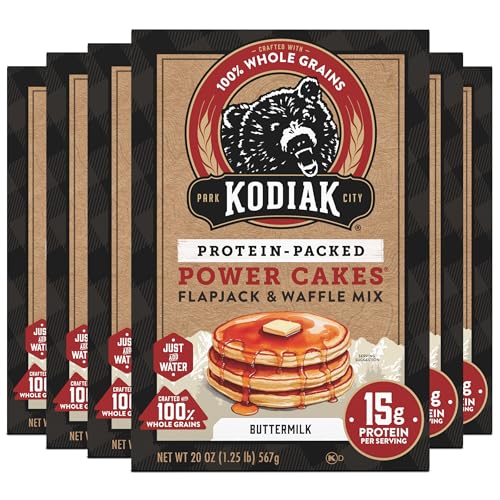
- You will receive a Pack of (6) Kodiak Cakes Power Cakes, All Natural, Non GMO Protein Pancake, Flapjack and Waffle Mix, …
- Made with whole wheat and oat flours, and packed with 14g protein per serving
- Made with Non-GMO ingredients
Variations & Substitutions
Buttermilk Version
If you want to go the buttermilk route, substitute an equal amount of buttermilk for the milk. Buttermilk adds a tangy flavor and makes pancakes even more tender. If you don’t have buttermilk, you can make a quick version by adding a tablespoon of white vinegar or lemon juice to regular milk and letting it sit for five minutes until it thickens and curdles slightly. It’s not exactly the same, but it’s close enough to give you that buttermilk effect.
Blueberry or Chocolate Chip
Fold in fresh or frozen blueberries, chocolate chips, or even chopped bananas right after you’ve mixed the batter. Just be gentle—too much stirring will tint your batter purple (ask me how I know). If you’re using frozen berries, don’t thaw them first. They’ll release less juice into the batter that way.
Gluten-Free Option
I’ve made these with a 1:1 gluten-free flour blend, and they turned out surprisingly well. Use a brand that’s designed specifically for baking (like Bob’s Red Mill 1-to-1). The texture won’t be exactly the same—a little less tender—but they’re still really good. You might need to add an extra tablespoon or two of milk because gluten-free flours tend to absorb more liquid.
Dairy-Free Version
Replace the milk with oat milk or almond milk, and use vegan butter or coconut oil. I’ve had the best results with oat milk because it’s creamier. The pancakes won’t be quite as rich, but they’ll still be fluffy and delicious. My dairy-free friends have given them the seal of approval.
Protein Pancakes
If you want a more filling breakfast, replace ¼ cup of the flour with a good quality vanilla protein powder. You’ll need to add a splash more milk to get the batter to the right consistency. This is my go-to on mornings when I know I’m going to have a long day ahead.
Serving Suggestions
These pancakes are perfect for lazy weekend mornings, birthday breakfasts, or even a simple Tuesday evening dinner when you just can’t be bothered to cook something complicated. I’ve served them to houseguests, to my daughter’s preschool class during a breakfast party, and to my husband on Mother’s Day when he wanted to do something nice but doesn’t really cook.
The classic way is with real maple syrup and a pat of butter melting on top. But don’t stop there. My husband likes his with a side of crispy bacon or sausage. My daughter goes for a mountain of berries and a drizzle of honey. I’m partial to a smear of peanut butter and some sliced bananas—it sounds weird, but it’s absolutely delicious.
For a fancier presentation, dust with powdered sugar and serve with warm berry compote. Or go the Southern route with a drizzle of cane syrup. Honestly, these pancakes are so good they barely need toppings. I’ve eaten them plain, just out of the pan, and they were wonderful.
If you’re hosting a brunch, set up a pancake bar with various toppings—syrups, fresh fruit, nuts, chocolate chips, whipped cream—and let everyone build their own. It’s fun, interactive, and takes the pressure off you to plate everything perfectly.
FAQ’s
Why do my pancakes always come out flat?
The most common culprit is baking powder that’s past its prime. Check your baking powder’s expiration date. If it’s old, replace it. Second most common is overmixing the batter. Stir gently and stop when you still see lumps. Third is not letting the batter rest—that five to ten minute wait makes a huge difference.
Can I make this pancake batter the night before?
I don’t recommend it. The baking powder activates when it hits the wet ingredients, so the batter will start to lose its lift if you leave it sitting for hours. If you really want to prep ahead, mix the dry ingredients in one bowl and the wet in another, then combine them in the morning. That saves you time without sacrificing texture.
Can I freeze these pancakes?
Yes! This is one of my favorite make-ahead strategies. Cook the pancakes, let them cool completely, then freeze them in a single layer on a baking sheet. Once frozen, transfer them to a zip-top bag. They’ll keep for up to two months. Reheat directly from frozen in a toaster or a toaster oven. It’s a lifesaver on busy school mornings.
How do I get perfectly round pancakes?
Use a measuring cup to pour the batter, and pour it slowly into the center of the pan. The batter will spread naturally into a circle. If you move the cup around while pouring, you’ll get misshapen pancakes. Also, resist the urge to swirl the pan—that spreads the batter into a weird shape.
Why is my first pancake always weird?
It’s a universal law of pancake-making. The first one is always a test pancake. The pan isn’t quite at the right temperature, the batter has just been resting, and you’re feeling out the consistency. Don’t stress about it. I usually eat the first one myself while I’m cooking the rest. It’s my chef’s privilege.
Can I make these pancakes without eggs?
You can try, but they won’t be the same. Eggs provide structure and lift. If you need an egg-free version, use a commercial egg replacer or a flax egg (one tablespoon ground flaxseed mixed with three tablespoons water per egg). The pancakes will be a bit more fragile and won’t rise as high, but they’ll still be tasty.
Related Recipes:
- Easy Weekend Fluffy Pancakes – Simple Breakfast Favorite
- Homemade Bakery-Style Pancakes: The Recipe That Changed Our Saturday Mornings
- Lemon Ricotta Pancakes – Light and Fluffy Breakfast
- High-Protein Greek Yogurt Pancakes for a Healthy Breakfast
A Few Final Thoughts
Look, I’ve been making pancakes for over a decade. I’ve burned them, undercooked them, overmixed them into hockey pucks, and once accidentally used powdered sugar instead of flour (don’t ask). But all those mistakes taught me something. They taught me that pancakes, at their heart, are forgiving. They’re humble. They don’t require perfect technique or expensive ingredients.
What they do require is a little patience and a gentle touch. Let your batter rest. Don’t crank the heat. Stir gently. And most importantly, don’t be afraid to mess up. Your first batch might not be perfect. That’s okay. Eat them anyway, learn something, and try again the next weekend.
Because here’s the thing—I still remember my grandmother standing at the stove in her floral apron, flipping pancakes with one hand and holding a cup of coffee with the other. She never followed a recipe. She just knew. And every time I make these pancakes, I feel her right there with me. That’s what food does. It connects us to the people we love and the memories we cherish.

