
I still remember that Saturday morning vividly. My husband had been on this “high-protein everything” kick for weeks, and I’d just attempted my third batch of what I optimistically called protein pancakes. The first two ended up in the trash—rubbery, dense discs that resembled hockey pucks more than breakfast. The third batch was slightly better, but I’d essentially created sweetened scrambled eggs shaped like pancakes.
I was about to wave the white flag and reach for the familiar Bisquick box when I spotted the container of Greek yogurt in my fridge. I’d been using it for smoothies, but what if… what if I added it to the batter? I’d read somewhere that yogurt could make baked goods more tender. At that point, I had nothing to lose and a hungry husband to feed.
I tossed a scoop into my flour mixture, adjusted the liquid, and held my breath as the first bubble appeared on the surface of the batter. When I flipped that pancake and saw that perfect golden-brown color, I literally did a little dance in my kitchen. The inside was fluffy, the edges were slightly crisp, and it tasted like a real pancake—not a protein shake pretending to be one.
That morning changed our breakfast game forever. Now, these Greek Yogurt Pancakes are our go-to weekend tradition. I’ve made them so many times I could probably whip them up in my sleep. And I’m finally ready to share all my hard-won lessons with you so you can avoid those sad, rubbery pancakes I made in the beginning.
Why You’ll Love This Recipe
- Seriously high protein – Each serving packs over 20g of protein without tasting like a gym supplement. Your muscles will thank you, but your taste buds will be even happier.
- They’re actually fluffy – Unlike most protein pancake recipes that give you dense, cardboard-like results, these have that light, pillowy texture you crave from traditional pancakes.
- No special equipment needed – You don’t need a blender, food processor, or any fancy gadgets. Just a bowl, whisk, and your favorite skillet.
- Pantry-friendly ingredients – I bet you already have most of these items in your kitchen right now. Greek yogurt is the only “special” ingredient, and it’s easy to find at any grocery store.
- Kid-approved – My picky niece devours these without knowing they’re “healthy.” That’s the highest compliment I can give.

- siggi’s Icelandic Strained Nonfat Strawberry Yogurt has more protein than sugar – making for a quick breakfast, nutritio…
- siggi’s Icelandic nonfat yogurt is made with simple ingredients, real strawberries, and not a lot of sugar. Includes liv…
- All natural, non-GMO, no high-fructose corn syrup, no artificial sweeteners or preservatives. Simple, tasty ingredients …
Ingredients List
For the pancakes:
- 1 ½ cups all-purpose flour (or whole wheat pastry flour for a heartier texture)
- 2 teaspoons baking powder
- ½ teaspoon baking soda
- ½ teaspoon salt
- 1 tablespoon granulated sugar (optional, but helps with browning)
- 1 cup plain Greek yogurt (I use 2% fat, but nonfat works too)
- ¾ cup milk (any kind works—dairy, almond, oat, you name it)
- 2 large eggs
- 1 teaspoon vanilla extract
- 2 tablespoons melted butter or coconut oil (plus more for the pan)
For serving (optional but recommended):
- Butter for spreading
- Pure maple syrup or honey
- Fresh berries, sliced bananas, or your favorite fruit
- A dollop of extra Greek yogurt (trust me on this)
Substitution notes: If you’re out of Greek yogurt, thick plain yogurt or even sour cream can work in a pinch, though the protein content will be lower. For a dairy-free version, use your favorite dairy-free yogurt and milk alternative. I’ve tested this with oat milk and coconut yogurt, and it turned out great.

Step-by-Step Instructions
1. Prep Your Ingredients and Tools
Before you start mixing, take everything out of the fridge. Cold eggs and yogurt can make your batter lumpy. Let them sit on the counter for about 15-20 minutes while you gather your bowls and measuring cups.
Grab your largest mixing bowl, a smaller one for wet ingredients, and a whisk. You’ll also need a large skillet or griddle. I’ve used everything from a non-stick pan to my grandmother’s cast iron, and both work beautifully.
2. Mix the Dry Ingredients
In your large bowl, whisk together the flour, baking powder, baking soda, salt, and sugar. Make sure they’re evenly distributed—nobody wants a bitter bite of baking soda in their pancake.
Pro tip from my early failures: sift your flour if you can. It’s not strictly necessary, but it helps create those lighter, fluffier pancakes. I didn’t do it for my first few batches and could definitely tell the difference.
3. Combine the Wet Ingredients
In your smaller bowl, whisk together the Greek yogurt, milk, eggs, vanilla, and melted butter. The yogurt can be a bit thick and stubborn, so really give it some elbow grease until it’s smooth and well-combined.
Here’s where my biggest “aha!” moment happened: I used to mix the yogurt straight into the dry ingredients, which created clumps that didn’t fully dissolve. Combining all the wet ingredients first was a game-changer.
4. Bring It All Together
Now pour the wet ingredients into the dry ingredients. Here’s where restraint is key—I learned this the hard way. Fold the mixture together with your whisk or a spatula, stirring just until you can’t see any dry flour streaks. It’s totally fine if there are a few small lumps. In fact, those little lumps are what will make your pancakes tender.
The earlobe test: The batter should be thick but pourable, similar to the consistency of a thick milkshake. It should coat the back of a spoon and slowly slide off. If it’s too thick, add a tablespoon of milk at a time until it loosens up. If it’s too thin, sprinkle in a little more flour.
5. Let the Batter Rest (Don’t Skip This!)
This is a step I discovered completely by accident when my dog needed to go out right as I finished mixing. When I came back about 10 minutes later, the pancakes I cooked were noticeably fluffier than the ones I’d rushed to make.
Let your batter rest for 5-10 minutes. This gives the baking powder and baking soda time to activate and lets the gluten relax a bit. Your patience will be rewarded.
6. Heat Your Pan
While the batter rests, heat your skillet or griddle over medium heat. I know it’s tempting to crank it up to high to speed things up, but resist! Medium heat is perfect. To test if it’s ready, sprinkle a few drops of water on the surface. If they sizzle and dance around, you’re good to go.
Add a pat of butter or a drizzle of oil to the pan. Swirl it around to coat the surface evenly.
7. Cook the Pancakes
Using a ladle or ¼-cup measuring cup, pour the batter onto the hot skillet. Leave about 2 inches between each pancake to give them room to spread.
Watch for the bubbles to appear on the surface. This is where most home cooks mess up. Wait until you see several bubbles that have popped and stay open, and the edges of the pancake look dry and set. This usually takes about 2-3 minutes.
My “bubble rule”: I count to 10 after the first bubble pops. That’s when I know it’s ready to flip.
Slide your spatula carefully under the pancake and flip. It should be a beautiful golden-brown color. Cook for another 1-2 minutes on the other side until it’s also golden and cooked through.
8. Keep Them Warm
If you’re cooking multiple batches (and you will be, trust me), place the finished pancakes on a baking sheet in a 200°F oven to stay warm while you finish the rest. This also helps them stay slightly crisp rather than getting steamy and soft on a plate.
9. Serve and Enjoy
Pile those beauties onto a plate, add a pat of butter that melts slowly down the stack, and drizzle generously with syrup. Top with fresh fruit, a dusting of powdered sugar, or whatever makes your heart happy. And please, don’t forget that extra dollop of Greek yogurt on top—it’s my little secret for an extra protein boost and tangy contrast to the sweet syrup.

- Yogurt and Type 2 Diabetes: Eating yogurt regularly, at least 2 cups (3 servings) per week, may reduce the risk of type …
- Stronger Makes Everything Better: Four 5.3 oz cups of Oikos Triple Zero Vanilla Nonfat Greek Yogurt
- Full on Taste: An ultra-thick, creamy and delicious vanilla yogurt with more of what you want and less of what you don’t
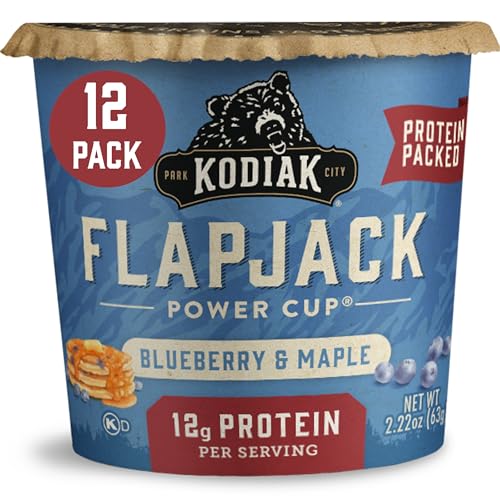
- You will receive a Pack of (12) Kodiak Cakes Unleashed Flapjack On the Go Baking Mix, Blueberry and Maple, 2.18 Ounce
- Non-GMO, and no preservatives with 6g protein and 5g fiber per serving
- Made with 100% whole grains

Pro Tips & Tricks
The Golden Rule of Pancake Making
Don’t overmix your batter! I say this with the kind of emphasis that comes from ruining at least ten batches before I learned my lesson. The more you mix, the more gluten develops, and the tougher your pancakes become. Mix until it just comes together, then stop. Walk away if you have to.
Temperature Control Is Everything
Your pan temperature will fluctuate, especially if you’re making multiple batches. After you finish a batch, the pan might be too hot. I keep a small bowl of water nearby and splash a few drops on the pan between batches. If they evaporate immediately, it’s too hot—turn the heat down.
The “Test Pancake” Method
I always make a tiny test pancake first. It’s like my canary in the coal mine. If it cooks too fast, I adjust the heat. If it spreads too much, I add a bit more flour to the batter. This one little pancake saves me from ruining an entire batch.
Storage Secrets
These pancakes actually freeze beautifully. I make a double batch on Sundays and freeze them in a single layer on a baking sheet. Once frozen, I transfer them to a zip-top bag. They’re a lifesaver for busy weekday mornings.
Make-Ahead Batter (Maybe?)
Here’s something I’ve experimented with: you can make the batter the night before, but only if you leave out the baking powder and baking soda until morning. Mix your dry and wet ingredients separately, combine them in the morning, and you’re good to go. The texture won’t be quite as perfect as fresh batter, but it’s still tasty.
Variations & Substitutions
Whole Wheat Greek Yogurt Pancakes
Swap half or all of the all-purpose flour for whole wheat pastry flour. The key here is “pastry” flour—regular whole wheat can be too heavy. These pancakes will have a nuttier flavor and more fiber, which I actually prefer on lazy Sunday mornings.
Lemon Blueberry Pancakes
Add the zest of one lemon and 1 cup of fresh or frozen blueberries to the batter. When I use frozen blueberries, I toss them in a little flour first so they don’t sink to the bottom. This variation has become our summer tradition, especially when blueberries are in season.
Savory Pancakes (Yes, Really!)
For a completely different spin, skip the sugar and add ½ cup of shredded cheese, some chopped chives, and a sprinkle of black pepper. Serve these with scrambled eggs and a dollop of sour cream for a pancake breakfast that’s more like a savory frittata. My husband wasn’t convinced at first, but now he requests these more than the sweet version.
Gluten-Free Option
I’ve made these with a 1:1 gluten-free flour blend (I use Bob’s Red Mill) and they turned out remarkably well. You might need a splash more milk to get the consistency right, and the texture will be slightly denser, but still delicious.
Vegan Adaptations
Use a dairy-free yogurt, plant-based milk, and replace the eggs with flax eggs (1 tablespoon ground flaxseed mixed with 3 tablespoons water per egg). The pancakes won’t rise quite as high, but they’ll still be fluffy and delicious.
Serving Suggestions
These Greek Yogurt Pancakes deserve a proper stage. On weekends, I like to go all out with a pancake bar: fresh berries, sliced bananas, toasted pecans, chocolate chips, and warm maple syrup for everyone to customize their stack.
For a quick weekday breakfast, I’ll grab a couple from the freezer, pop them in the toaster, and top them with peanut butter and a sliced banana. It’s filling enough to get me through my morning meetings without the 10 a.m. snack attack.
If you’re serving these for brunch, pair them with scrambled eggs, turkey sausage, and fresh fruit salad. The high protein content makes them perfect for post-workout recovery too—I’ve definitely brought them to the gym for breakfast more times than I can count.
FAQ’s
Can I use nonfat Greek yogurt?
Absolutely! I’ve used 0%, 2%, and full-fat Greek yogurt with great results. Full-fat will give you slightly richer, more tender pancakes, but nonfat works beautifully too. Just be aware that thinner yogurts (like some nonfat varieties) might require a slight reduction in milk.
How do I reheat leftovers without them getting soggy?
The toaster is your best friend here. Slice leftover pancakes in half and pop them in the toaster until they’re warm and slightly crisp around the edges. Alternatively, reheat them in a toaster oven at 350°F for about 5 minutes. I don’t recommend the microwave—they get rubbery and sad.
Can I freeze the batter?
I’ve tried freezing batter, and the results were mixed. The texture changes significantly, and you’ll get denser pancakes. Instead, I recommend cooking all the pancakes and freezing the cooked ones. They reheat beautifully and taste almost as good as fresh.
My pancakes always stick to the pan. What am I doing wrong?
Your pan might not be hot enough, or you’re trying to flip them too early. Make sure your pan is properly preheated and that you’re using enough butter or oil. Here’s a trick I use: I rub a paper towel with vegetable oil in my pan between batches. Non-stick sprays can leave a residue that actually causes sticking over time.
How much protein is actually in these pancakes?
Using 2% Greek yogurt, each pancake has about 7-8g of protein. A stack of three pancakes gives you roughly 22g of protein, which is seriously impressive for breakfast. Add a side of eggs or some turkey bacon, and you’re well on your way to hitting your daily protein goals.
Can I add protein powder to make them even higher in protein?
You can, but proceed with caution. I’ve tried this and found that more than a scoop of protein powder makes the pancakes dense and dry. If you want to experiment, replace ¼ cup of the flour with protein powder and add an extra tablespoon of milk. I’d recommend a vanilla or unflavored whey or plant-based protein to avoid weird aftertastes.
Why did my pancakes turn out rubbery?
Almost always, this happens from overmixing the batter. Remember, mix until just combined, and those lumps are okay! Another culprit is cooking them too long or at too high of heat. Medium heat is your sweet spot.
Related Recipes:
- Lemon Ricotta Pancakes – Light and Fluffy Breakfast
- Chocolate Chip Pancakes – Sweet Homemade Breakfast
- Top 8 Fourth of July Cupcakes for Patriotic Celebrations
- Fluffy Banana Pancakes: My Saturday Morning Obsession
- Top 10 Fourth of July Cupcake Ideas for Celebrations
My Final Thoughts
Look, I’ve been exactly where you are—standing in a messy kitchen, staring at a stack of sad, dense pancakes, wondering what went wrong. The first batch I made was honestly embarrassing. I considered never trying again and just resigning myself to subpar breakfasts forever.
But I’m so glad I kept experimenting. These Greek Yogurt Pancakes have become more than just a recipe to me; they’re a weekend ritual. They’re the pancakes my husband greets with a sleepy smile. They’re the pancakes my niece requests every time she stays over. They’re the pancakes I make when I want to feel like I’ve got my life together, even if just for a single meal.
So please, give yourself grace if your first batch isn’t perfect. The beauty of pancakes is that even the ugly ones taste pretty good. And with these tips, I honestly believe yours are going to turn out beautifully.
I’d love to hear how they work for you! Did you add any fun variations? Did your picky eater finally find a “healthy” pancake they actually love? Drop me a comment below or tag me in your pancake photos—I genuinely get excited seeing your creations.

