
I still remember the Sunday morning I almost gave up on pancakes for good.
There I stood in my cramped Brooklyn kitchen, spatula in hand, staring at a sad, flat disc that resembled more of a pale tortilla than anything resembling a fluffy pancake. My husband tried to be kind, slathering it in butter and syrup, but we both knew the truth—this breakfast staple had defeated me.
What made it worse? I’d followed a recipe from a “famous” food blog that promised “the best pancakes ever.” Three attempts later, my kitchen looked like a flour bomb had exploded, and my confidence was shattered.
But something clicked that day. Instead of walking away, I got curious. What was I doing wrong? Why did restaurant pancakes tower like golden pillows of joy while mine slumped into submission?
Four years, dozens of experiments, and one very patient family later, I can confidently say—I’ve cracked the code. These extra fluffy buttermilk pancakes aren’t just good; they’re the kind of pancakes that make people close their eyes when they take the first bite. The kind that have my kids requesting them for dinner. The kind that finally made me forgive myself for that disastrous Sunday morning.
Now, I’m sharing every single secret I discovered along the way—including the one that involves my toddler’s favorite measuring cup and a happy accident that changed everything.
Why You’ll Love This Recipe
Let me be honest with you—these pancakes are not complicated. But they’re special.
- No special equipment needed: Just one bowl, a whisk, and your favorite skillet. No stand mixer, no sifter, no fancy gadgets.
- Pantry-friendly ingredients: You probably have everything already (except maybe the buttermilk, but I’ll tell you how to hack that).
- Ready in 20 minutes: From measuring to plate, you’re looking at about 20 minutes. Perfect for lazy weekends or busy weekday mornings.
- Customizable for everyone: Allergies? Dietary restrictions? Picky eaters? I’ve got variations for all of them.
- Foolproof once you know the tricks: I’ve messed up enough batches so you don’t have to.
- Freezer-friendly: Make a double batch and freeze the extras for rushed mornings.
These aren’t just pancakes—they’re the pancakes that will make you the hero of your household.
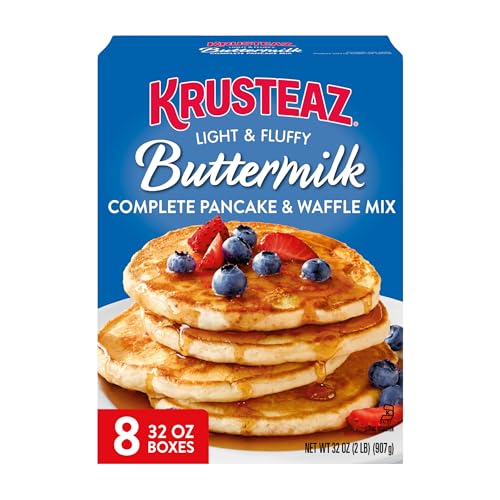
- Eight 32 oz boxes of Krusteaz Light and Fluffy Buttermilk Pancake Mix
- This classic buttermilk pancake mix is carefully crafted with the perfect touch of buttermilk—great for breakfast, snack…
- Create light and fluffy buttermilk pancakes in minutes—simply add water, whisk buttermilk pancake batter, and pour onto …
Ingredients
I’ve organized this list so you can see what goes into making these beauties perfect. All measurements are in the US standard system, and I’ve included weights where helpful.
Dry Ingredients
- 2 cups (240g) all-purpose flour – Just regular all-purpose works best. I’ve tried bread flour (too chewy) and cake flour (too delicate), but plain AP gives us the perfect structure.
- 2 tablespoons (25g) granulated sugar – This isn’t for sweetness as much as it’s for browning. Trust me on this.
- 2 teaspoons baking powder – Make sure it’s fresh! If yours has been sitting in the pantry for over six months, it’s time for a new one.
- 1 teaspoon baking soda – This is what reacts with the buttermilk to give us that lift.
- 1/2 teaspoon fine sea salt – If you only have table salt, use 1/4 teaspoon. Table salt is stronger.
Wet Ingredients
- 1 3/4 cups (420ml) buttermilk – Shake well before using. No buttermilk? I’ll tell you how to make a substitute below.
- 2 large eggs – Get them out of the fridge about 30 minutes before you start. Room temperature eggs incorporate better.
- 4 tablespoons (57g) unsalted butter – Melted and cooled slightly. Don’t use it hot, or you’ll cook the eggs!
- 1 teaspoon vanilla extract – Pure vanilla, please. The imitation stuff has its place, but not here.
For The Pan
- Extra butter or neutral oil – For greasing the skillet. I use a combination of butter and vegetable oil.
Now, a quick story about my measuring cup incident. The first time I measured flour, I just scooped straight from the bag with my measuring cup. My pancakes were dense hockey pucks. Then I learned the “spoon and level” method—spoon the flour into the measuring cup until it’s overflowing, then level it off with a knife. This simple change transformed my pancakes entirely.

Step-by-Step Instructions
Let me walk you through exactly how I make these pancakes. I’m going to over-explain a little because I want your first batch to be as gorgeous as your tenth.
1. Prep Your Dry Ingredients
In a large mixing bowl, whisk together the flour, sugar, baking powder, baking soda, and salt. And when I say whisk, I mean really whisk—for about 30 seconds. You want everything thoroughly combined so you don’t get a pocket of baking soda in one bite.
Pro tip I learned the hard way: Make a well in the center of your dry ingredients. This is where you’ll pour your wet ingredients. It makes mixing easier and prevents overmixing.
2. Combine Your Wet Ingredients
In a separate bowl, whisk together the buttermilk, eggs, melted butter, and vanilla. Whisk until the eggs are fully incorporated—you shouldn’t see any streaks of yolk.
Here’s where that room temperature egg comes in handy. If your eggs are cold, they’ll cause the melted butter to solidify into tiny lumps. You’ll still get pancakes, but they won’t be as smooth.
3. The Important Step: Mixing
Pour your wet ingredients into the well of your dry ingredients. Now, this is where most people mess up. Take a rubber spatula and gently fold the ingredients together.
How long should you mix? Until you stop seeing streaks of flour. That’s it. The batter will still have lumps—that’s good! Lumpy batter equals fluffy pancakes. Overmixing develops gluten, which makes pancakes dense and rubbery.
My rule of thumb is 10-15 gentle strokes with the spatula. Then stop. Even if it’s not perfectly smooth. A few lumps are your friends here.
4. Let The Batter Rest
This is the step I discovered by accident when my toddler needed a diaper change right in the middle of making pancakes. I came back to find my batter had thickened and become more bubbly. The pancakes that resulted were noticeably fluffier.
So now I always let the batter rest for 10-15 minutes. This gives the baking powder and soda time to activate and the flour to fully hydrate. Don’t skip this.
5. Get Your Pan Ready
While the batter rests, place your skillet over medium heat. I use a cast iron skillet, but any heavy-bottomed pan works—non-stick, stainless steel, whatever you have.
How to tell when the pan is ready: Sprinkle a few drops of water on the pan. If they sizzle and dance around, you’re ready. If they evaporate immediately, your pan is too hot. Adjust accordingly.
Add about 1/2 tablespoon of butter and 1/2 tablespoon of oil to the pan. The butter gives flavor, the oil prevents the butter from burning.
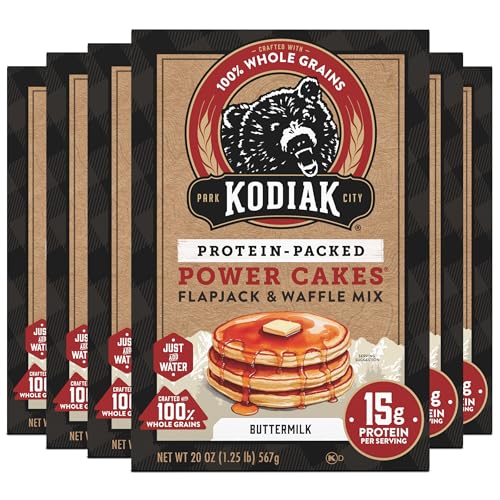
- You will receive a Pack of (6) Kodiak Cakes Power Cakes, All Natural, Non GMO Protein Pancake, Flapjack and Waffle Mix, …
- Made with whole wheat and oat flours, and packed with 14g protein per serving
- Made with Non-GMO ingredients

- THE SNACK THAT SMILES BACK: A family favorite for generations, Goldfish Cheddar Cheese Crackers are fun, fish-shaped sna…
- INGREDIENTS YOU CAN FEEL GOOD ABOUT: These baked cheese snacks are made with 100% real cheese and no artificial flavors …
- FOR KIDS AND KIDS AT HEART: The great taste and fun, bite-sized shape of Goldfish crackers make them the perfect on-the-…
6. Time To Cook
Pour about 1/4 cup of batter per pancake. I use a 1/4 cup measuring cup for this—it gives me perfectly consistent pancakes. If you want larger pancakes, go for it, just adjust your timing.
Here’s the key: Don’t touch them. I know it’s tempting to peek, but let them cook until bubbles start forming on the surface and the edges look set. This usually takes about 2-3 minutes.
7. The Flip
When you see those bubbles and the edges are dry, slide your spatula carefully under the pancake and flip it in one confident motion. Don’t be timid—a quick flip gives you a better result.
Cook for another 1-2 minutes on the second side. The pancake should be golden brown and should spring back when you touch the center.
8. Keep Warm While You Finish
Transfer finished pancakes to a plate and keep them warm in a 200°F oven while you cook the rest. This ensures everyone eats at the same time.

Pro Tips & Tricks
After countless batches, here’s what I’ve learned that makes all the difference.
The Biggest Mistake: Overmixing
I can’t stress this enough. Mix just until combined. Overmixing is the number one reason pancakes turn out tough. If your batter is completely smooth, you’ve overmixed. Stop before it gets there.
Use A Lid
Here’s a trick from a professional breakfast cook I know: put a lid on your skillet while the pancakes cook. The trapped steam helps them rise taller and cook more evenly. Just remember to remove the lid when you flip.
Get To Know Your Stove
Every stove heats differently. The “medium” on my gas range is different from my friend’s electric stove. You want your pan at a temperature where butter melts without immediately browning. Practice makes perfect here.
Room Temperature Matters
Everything should be room temperature—eggs, buttermilk, everything except maybe your melted butter (which should be cool before using). This ensures your batter mixes evenly without creating lumps.
Don’t Overcrowd The Pan
Give your pancakes space. If you overcrowd, they’ll steam instead of fry, and you’ll lose that beautiful golden crust. I cook two at a time in my 10-inch skillet.
Rest Your Batter
I mentioned this before, but it’s worth repeating. That 10-minute rest changes everything. The flour absorbs moisture, the leaveners activate, and the pancakes come out noticeably more tender and fluffy.
Watch Your Syrup
If you’re pouring syrup straight from the refrigerator, warm it up first. Cold syrup will make your fluffy pancakes collapse faster than you can say “breakfast.”
Variations & Substitutions
The Buttermilk Substitute
No buttermilk? No problem. Pour 1 3/4 cups of milk into a measuring cup and add 2 tablespoons of white vinegar or lemon juice. Stir and let it sit for 5 minutes. The milk will curdle and thicken, giving you a perfect buttermilk substitute. This works beautifully—I’ve used it more times than I can count.
Gluten-Free Version
Use a 1:1 gluten-free flour blend with xanthan gum included. Most major brands work well here. The texture will be slightly different, but they’ll still be fluffy and satisfying.
Vegan Pancakes
Replace the buttermilk with a plant-based milk mixed with 2 tablespoons of vinegar (same as above). Use ground flaxseed mixed with water instead of eggs (1 tablespoon flax + 3 tablespoons water per egg, let sit for 5 minutes). And use melted coconut oil or vegan butter instead of dairy butter. I’ve made these for vegan friends and they were impressed.
Blueberry Addition
If you want to add blueberries, fold them in gently after the batter has rested. Use fresh or frozen—if using frozen, don’t thaw them first, and toss them in a little flour before adding to prevent them from sinking.
Chocolate Chip Pancakes
Add chocolate chips the same way you would blueberries. My kids insist on these at least once a month.
Serving Suggestions
These pancakes deserve to be served with love. Here are my favorite ways to enjoy them:
The Classic: A pat of good butter melting into the top, a generous pour of real maple syrup, and maybe a sprinkle of powdered sugar. This never gets old.
Berry Blast: Top with fresh berries and a dollop of whipped cream. Add a drizzle of honey for extra sweetness.
Savory Twist: Yes, pancakes can be savory! Top with fried eggs and crispy bacon for a breakfast that’ll keep you full until dinner.
Kids’ Favorite: Serve with chocolate chips on top and a smiley face made from whipped cream and berries.
Brunch Spread: These pancakes fit right into a larger brunch table with fruit salad, scrambled eggs, and breakfast sausage.
I also love these with a side of crispy bacon or sausage links and a cup of strong coffee. There’s something about the sweet and salty combination that makes breakfast feel like an occasion.
FAQ’s
Can I Make The Batter Ahead Of Time?
The short answer is no, and I learned this the hard way. Pancake batter relies on fresh leaveners—baking powder and soda—for that lift. If you make it ahead, those bubbles start escaping, and you’ll end up with flat pancakes. Mix your batter just before you’re ready to cook.
However, you can mix all the dry ingredients in advance and store them in an airtight container. Then, when you’re ready, just add the wet ingredients and cook.
How Do I Reheat Leftover Pancakes?
My favorite method is the toaster. Just pop them in on a light setting until they’re warm and slightly crispy on the edges. It revives them beautifully.
You can also use a microwave, but they’ll get a bit softer and less crisp. If you go this route, add 15 seconds and check. A toaster oven set to 350°F for about 3-4 minutes works wonderfully too.
What’s The Best Way To Freeze Pancakes?
This is one of my favorite meal prep tricks. Cook your pancakes, let them cool completely on a wire rack (don’t stack them while hot, or they’ll get soggy), then place them on a baking sheet in a single layer and freeze until solid. Once frozen, transfer to a zip-top freezer bag. They’ll keep for up to 3 months.
To reheat, pop them straight from the freezer into the toaster. No need to thaw first.
Why Did My Pancakes Turn Out Flat And Dense?
This could be a few things. Most commonly, it’s overmixing—that activates the gluten and makes them tough. Another issue could be expired leaveners—baking powder and soda lose potency over time. Let me walk you through a quick test: add a teaspoon of baking powder to some hot water. If it doesn’t bubble vigorously, it’s time for new powder.
Can I Use Whole Wheat Flour Instead?
You can, but I’d recommend using half whole wheat and half all-purpose. Whole wheat has more gluten and can make pancakes heavy. If you go all-whole-wheat, you’ll want to add an extra 1/4 cup of buttermilk to compensate for the flour’s absorbency.
Why Did My Pancakes Burn On The Outside But Stay Raw Inside?
Your pan is too hot. This happened to me many times before I learned. Try lowering your heat and giving the pan more time to reach a consistent temperature. Also, make sure you’re not using too much batter—thicker pancakes need lower heat to cook through.
How Do I Make Pancakes More Fluffy?
The two secrets are: don’t overmix, and let the batter rest. The resting time allows the gluten to relax and the leaveners to start working. For extra fluffiness, separate your eggs and beat the whites to stiff peaks, then fold them in gently. This creates even more air in the batter. It’s an extra step, but it’s totally worth it.
Can I Double The Recipe?
Yes, absolutely. I’ve doubled this recipe many times. I freeze half for later, or sometimes I just want enough pancakes to eat for breakfast all week. When doubling, keep the same ratio of ingredients, and remember to rest the batter just as long.
Related Recipes:
- High-Protein Greek Yogurt Pancakes for a Healthy Breakfast
- Lemon Ricotta Pancakes – Light and Fluffy Breakfast
- Chocolate Chip Pancakes – Sweet Homemade Breakfast
- Fluffy Banana Pancakes: My Saturday Morning Obsession
- Top 10 Fourth of July Cupcake Ideas for Celebrations
Closing / Final Thoughts
I can’t tell you how many times I’ve made these pancakes now. They’ve become my Sunday morning ritual, the thing my children ask for on birthdays, and the recipe I’m proudest to share with friends.
I still think about that disastrous Sunday morning years ago—how it pushed me to really understand the art of pancake-making. Every mistake taught me something, and every batch brought me closer to this recipe. I hope it brings as much warmth and joy to your kitchen as it has to mine.
Give these extra fluffy buttermilk pancakes a try, and if your first batch isn’t perfect, don’t give up. Remember my story—I messed up more times than I can count before I got it right. Play around with the recipe, adjust it to your taste, and make it your own.
If you make them, I’d genuinely love to hear how they turn out. Drop a comment below, share a photo, or ask a question. This recipe is meant to be a conversation starter, not the end of one.

