
You know that feeling when you’re a kid, sitting in a vinyl booth at the local diner, and the waitress slides over a plate of pancakes so tall and fluffy they look like they might float right off the table? That’s the feeling I’ve been chasing in my own kitchen for the better part of a decade.
I’ll be completely honest with you – my first attempt at diner-style pancakes was an absolute disaster. We’re talking hockey pucks, folks. Dense, flat, sad little discs that even the dog turned his nose up at. I remember standing at my stove, spatula in hand, wondering what mystical secrets those line cooks possessed that I clearly didn’t.
But here’s the thing about cooking – it’s all about persistence and a little bit of curiosity. I spent months (and probably twenty pounds of flour) perfecting this recipe. I studied what made diner pancakes different from the boxed mixes I grew up with. I tested different flours, different leavening agents, and different techniques. And then, one Saturday morning, it happened. I flipped a pancake and it was perfect – golden brown, impossibly fluffy, with that slight crispiness around the edges that makes diner pancakes so irresistible.
Now, I want to share everything I’ve learned with you, so you can skip the hockey puck phase and go straight to pancake perfection.
Why You’ll Love This Recipe
- It’s practically foolproof – I’ve stripped away all the complicated techniques and left only what actually works.
- You probably have everything already – no special flours, no buttermilk that you’ll only use once, no weird ingredients that’ll sit in your pantry forever.
- They’re ready in under 20 minutes – from mixing bowl to plate, these pancakes come together faster than you can make a pot of coffee.
- They freeze like a dream – make a big batch on Sunday and have diner-quality pancakes all week long.
- The texture is absolutely spot-on – crispy edges, fluffy centers, and that signature diner pancake height that makes everyone at the table go “wow.”
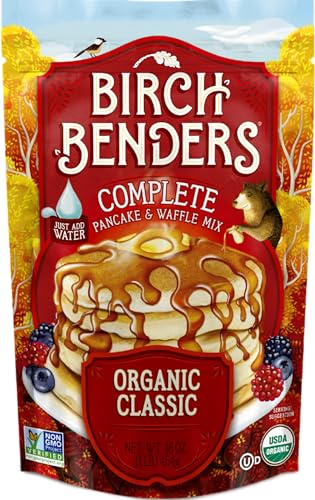
- 1 – 16 oz pouch of Birch Benders Organic Classic Pancake and Waffle Mix (Packaging may vary)
- Non-GMO, USDA Organic, Vegan, BPA Free, Kosher, Cholesterol, Dairy, and Fat Free
Ingredients
For the Pancakes:
- 2 cups (250g) all-purpose flour – I use King Arthur because I find it gives a slightly better crumb, but any good all-purpose flour works
- 4 teaspoons baking powder – make sure it’s fresh! If it’s been sitting in your pantry for a year, it’s not doing you any favors
- ½ teaspoon baking soda – this is my secret for that diner tang and extra fluffiness
- 1 teaspoon salt – I use fine sea salt, but table salt works too
- 2 tablespoons granulated sugar – just enough to give a hint of sweetness and help with browning
- 1¾ cups (420ml) whole milk – you can use 2% in a pinch, but whole milk gives you that rich texture
- ¼ cup (60ml) sour cream or plain full-fat yogurt – this was my accidental discovery, and it’s the real game-changer
- 2 large eggs – room temperature if you remember, but straight from the fridge works too
- 4 tablespoons (½ stick) unsalted butter – melted and slightly cooled
- 1 teaspoon vanilla extract – the good stuff, not the imitation
For Cooking:
- Extra butter for the griddle – don’t skimp on this! It’s what gives you those crispy, buttery edges.

Step-by-Step Instructions
1. Get Your Griddle Hot First
This might seem backward, but trust me on this. Turn your griddle or large skillet to medium heat and let it come up to temperature while you’re mixing your batter. I set my electric griddle to 350°F, but if you’re using a stovetop skillet, medium heat is your sweet spot. A cold pan will give you pale, sad pancakes.
2. Mix Your Dry Ingredients
In a large bowl, whisk together your flour, baking powder, baking soda, salt, and sugar. I use a whisk instead of a spoon because it helps break up any little lumps and incorporates air into the flour. This is a small step that makes a big difference in texture.
3. Combine the Wet Ingredients
In a separate bowl or large measuring cup, whisk your milk, sour cream, eggs, melted butter, and vanilla until everything is smooth and well combined. You’ll notice the mixture looks a little curdled when you add the sour cream – this is normal and actually a good thing!
4. The Most Important Step: Don’t Overmix
This is where so many pancakes go wrong. Make a well in the center of your dry ingredients and pour in your wet mixture. Now, using a spatula or wooden spoon, gently fold everything together until it’s just combined. I’m talking maybe 8-10 stirs total. The batter should still have small lumps – a few streaks of flour are fine. Overmixing develops gluten, which leads to tough, rubbery pancakes. I learned this the hard way after making about fifty sad batches.
5. Let the Batter Rest
Here’s a trick that most recipes don’t mention but I discovered by accident one morning when I got distracted by my kids. Let your batter rest for 5-10 minutes before cooking. This gives the gluten time to relax and the baking powder time to start working its magic. You’ll notice the batter gets a little bubbly and thickens slightly – exactly what you want.
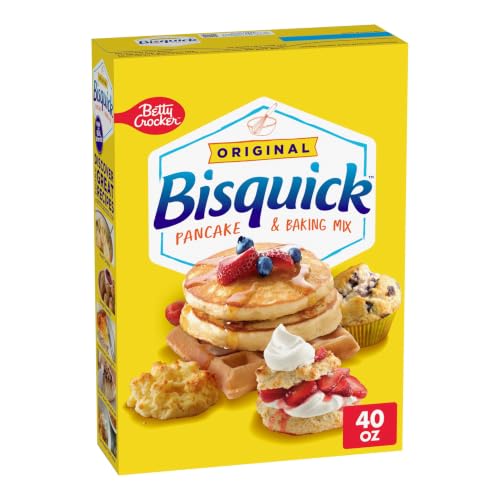
- PANCAKE MIX AND MORE: Craft deliciously fluffy pancakes, waffles, biscuits, and beyond; An ideal ingredient in your favo…
- ORIGINAL BISQUICK: Make it your go-to mix for pancakes, waffles, biscuits, and more – so many ways to Bisquick; It’s the…
- BETTY CROCKER QUALITY: Made with no colors and no artificial flavors, so the great taste of your recipes shines through
6. Test Your Griddle Temperature
Before you start pouring batter, test your pan with a small drop of water. If it sizzles and dances across the surface, you’re ready to go. If it evaporates immediately, your pan is too hot. If it just sits there, it’s not hot enough.
7. Butter the Griddle
Drop a pat of butter onto your hot griddle and let it melt, swirling it around with a spatula to cover the cooking surface. You want a thin layer of butter covering everything. I usually add another small pat between batches.
8. Pour Your Pancakes
Use a ladle or ¼ cup measuring cup to pour your batter onto the griddle. For diner-style pancakes, I like them big – about ⅓ cup of batter per pancake. Leave about 2 inches between each pancake because they’ll spread as they cook.
9. Look for the Bubbles
This is the most reliable indicator that it’s time to flip. When the edges of your pancakes look set and the surface is covered with bubbles that are starting to pop and leave little holes, it’s time. This usually takes about 2-3 minutes on a 350°F griddle.
10. The Flip
Slide your spatula completely under the pancake and flip it in one smooth motion. Don’t flip too soon, but also don’t wait until the bubbles have all disappeared – that’s how you get dry pancakes. The second side will cook faster, about 1-2 minutes.
11. Keep Them Warm
As you finish each batch, place them on a baking sheet in a 200°F oven. This keeps them warm and crisp while you finish cooking the rest.
- PANCAKE MIX AND MORE: Craft deliciously fluffy pancakes, waffles, biscuits, and beyond; An ideal ingredient in your favo…
- ORIGINAL BISQUICK: Make it your go-to mix for pancakes, waffles, biscuits, and more – so many ways to Bisquick; It’s the…
- BETTY CROCKER QUALITY: Made with no colors and no artificial flavors, so the great taste of your recipes shines through

Pro Tips & Tricks
The Sour Cream Secret
I discovered this completely by accident when I was out of buttermilk but had sour cream in the fridge. The sour cream adds a subtle tang and creates an incredibly tender crumb that you just can’t get with milk alone. Now I never make pancakes without it.
Don’t Flatten Them!
I see this all the time – people pressing down on their pancakes with the spatula while they cook. This is a pancake sin! All you’re doing is squeezing out all the fluffiness you worked so hard to create. Let them cook naturally and don’t touch them until it’s time to flip.
The Clean Pan Rule
After each batch, wipe your griddle clean with a paper towel and add fresh butter. Those little burnt bits from the previous batch will stick to your next pancakes and give them an unpleasant bitter taste. It takes two seconds and makes a world of difference.
Temperature Control
If you notice your pancakes are browning too quickly before the center cooks, your heat is too high. Conversely, if they’re pale even after 4 minutes, your heat is too low. I keep an extra pancake batter spoon nearby for this exact purpose.
Storage for Later
These pancakes freeze beautifully. Let them cool completely on a wire rack, then layer them with parchment paper in a freezer bag. They’ll keep for up to 3 months. To reheat, pop them in the toaster – they come out perfectly crisp and fluffy.
Variations & Substitutions
Buttermilk Pancake Variation
If you have buttermilk on hand and want that extra tang, replace the milk with buttermilk and reduce the baking powder to 2 teaspoons (since buttermilk is more acidic and will activate the baking soda more effectively). This gives you an even more traditional diner pancake flavor.
Whole Wheat Pancake Variation
For a heartier pancake, use half whole wheat flour and half all-purpose. You might need to add an extra splash of milk since whole wheat flour absorbs more liquid. The texture will be denser, but the nutty flavor is absolutely delicious with maple syrup.
Dairy-Free Version
I made these for my sister who’s dairy-sensitive. Use almond milk or oat milk instead of whole milk. Replace the sour cream with full-fat coconut cream (the solid part from a can of coconut milk) and use vegan butter or coconut oil. The texture is slightly different but still incredibly fluffy and delicious.
Serving Suggestions
You know how diners always serve their pancakes with that little pat of butter melting into a puddle on top and a small pitcher of warm maple syrup on the side? That’s my absolute favorite way to enjoy them, but there’s so much more you can do.
For a breakfast spread, I love serving these with crispy bacon or sausage links on the side. The salty, savory meat is the perfect contrast to the sweet, fluffy pancakes. Throw in a side of scrambled eggs and you’ve got a diner-worthy breakfast that’ll keep everyone full until lunch.
For something more decadent, try topping them with fresh berries and a dollop of whipped cream – it’s like a pancake meets shortcake situation that my family requests for birthday breakfasts. Or go the savory route and top with fried eggs, crumbled bacon, and a drizzle of maple syrup for that perfect sweet-savory combination that’s become so popular.
On busy mornings, I’ll make a batch of these, double it, and freeze half. Then I can pull out a few pancakes, toast them up, and have a homemade breakfast ready in minutes. It’s honestly my favorite meal prep hack.
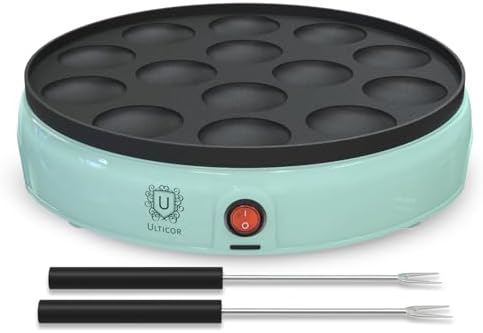
- [MINI PANCAKES, MAXIMUM FUN!] – Share the joy of delicious homemade Dutch pancakes with the ULTICOR Mini Pancake Maker! …
- [EFFORTLESS PANCAKE CREATION] – Whether you’re using cake mix, brownie batter, or your special recipe, this electric pan…
- [NON-STICK MAGIC FOR EASY COOKING] – Featuring a premium non-stick surface that’s PFOA-free, every batch of pancakes lif…
FAQ’s
Can I make pancake batter the night before?
I don’t recommend it. The baking powder starts reacting as soon as it gets wet, so overnight batter will be flat and dense. You can, however, mix your dry ingredients and wet ingredients separately the night before, then combine them fresh in the morning.
Why are my pancakes pale and not golden brown?
This almost always means your pan isn’t hot enough. Increase the heat slightly and make sure you’re using butter – it helps with browning. Also, wait for those bubbles before flipping! Rushing the first side is a common mistake.
Can I freeze these pancakes?
Absolutely! Let them cool completely on a wire rack, then stack them with parchment paper between each pancake and store in a freezer-safe bag. They’ll keep for up to three months. The best way to reheat them is straight from frozen in the toaster – they come out perfectly crisp on the outside and fluffy in the middle.
My pancakes are always flat – what am I doing wrong?
Three likely culprits: old baking powder (replace it every 6 months), overmixing the batter (which develops too much gluten), or letting the batter sit too long before cooking. Try fresh baking powder, stir until just combined (lumps are okay!), and cook immediately after the 5-minute rest.
Can I use this recipe to make waffles?
I wouldn’t recommend it. Waffle batter typically has more fat and sugar to give them that crispy exterior. You can add an extra egg yolk and a couple tablespoons of sugar to this recipe for a passable waffle, but I’d stick to a dedicated waffle recipe for the best results.
How can I make extra thick, fluffy pancakes?
Use a slightly thicker batter by reducing the milk to 1½ cups and adding an extra egg yolk. Also, resist the urge to flatten them with your spatula – let them rise naturally! And remember that the batter will thicken during the rest period, so don’t add extra milk if it looks a little thick at first.
Is it better to use butter or oil for the griddle?
For that diner pancake flavor and crispy edge, nothing beats butter. However, it does tend to burn if your heat is too high, so watch your temperature. I use butter for the flavor and keep a little vegetable oil nearby for the end of the batch if the butter starts to get too dark.
What if I don’t have sour cream or yogurt?
You can make a quick substitute by adding 1 tablespoon of lemon juice or vinegar to your milk and letting it sit for 5 minutes until it thickens and curdles slightly. It’s not exactly the same, but it’ll give you that similar tang and tenderness.
Related Recipes:
- Old-Fashioned Fluffy Pancakes – Classic Breakfast Recipe
- Easy Weekend Fluffy Pancakes – Simple Breakfast Favorite
- High-Protein Greek Yogurt Pancakes for a Healthy Breakfast
- Homemade Bakery-Style Pancakes: The Recipe That Changed Our Saturday Mornings
My Final Thoughts on Homemade Diner-Style Pancakes
I still remember that first perfect flip. Standing at my stove, my two kids watching with what I was sure were skeptical expressions, and the pancake came up golden and perfectly brown. My daughter actually clapped when she saw the height of it on her plate. That’s when I knew I’d cracked the code.
These pancakes have become my signature breakfast dish. They’re what I bring to friends’ houses on lazy weekend mornings, what I whip up when my kids have friends sleepover, and what I make just for myself when I need a little comfort food. There’s something truly magical about that first bite – the slight crunch of the butter-crisped edge giving way to the pillow-soft interior, all soaked in warm maple syrup.
The beauty of this recipe is that it’s forgiving. Even if you overmix a little, or let the batter sit too long, or forget the vanilla, you’ll still end up with good pancakes. But when you nail it – when you get that perfect golden brown and that unbelievable fluffiness – they’re the kind of pancakes that make people ask for the recipe every single time.
So go ahead, fire up that griddle, and make some Saturday morning magic. And please, come back and let me know how they turned out! I love hearing about your pancake triumphs, your accidental discoveries, and even your pancake mishaps – because that’s how we all get better at this cooking thing together.

