
There’s a smell that, to me, represents pure summer joy. It’s the sweet, slightly acrid tang of hardwood charcoal just catching fire, mingling with the heat radiating off asphalt. And for my family, that smell means the Fourth of July is here, and my ribs are finally hitting the smoke.
But it wasn’t always this smooth. I used to be terrified of cooking ribs. My first attempt, years ago, was a definitive disaster. I think I made carbonized jerky that day. I bought spare ribs, left that tough membrane on the back, and cooked them over direct high heat because I didn’t understand the assignment. When I served them, my cousin politely chewed for three minutes before subtly spitting it into his napkin. I was mortified.
That failure bothered me. I spent the next few years obsessively researching fire management, wood flavors, and tenderizing techniques. I made mistakes (like the time I tried using way too much hickory and the ribs tasted like an old boot). But every mess-up taught me something crucial. Today, I’m sharing the foolproof, low-and-slow method that transformed me from a nervous “grill guy” into the designated Fourth of July pitmaster. This recipe is the culmination of those dozens of messy trials, discoveries, and backyard experiments. It’s not just a recipe; it’s the result of messy love.
Why This Rib Recipe Always Wins
- Low-and-Slow Foolproof: We use indirect heat and a proven timeline (the 3-2-1-ish method), which guarantees that tough connective tissue melts, leaving you with tender, competition-style ribs, not tough jerky.
- The Ultimate Bark: My dry rub balanced brown sugar caramelization with smoked paprika and garlic, building a beautiful, dark crust (the “bark”) that competition cooks dream of.
- Crowd-Pleaser Balance: This isn’t too spicy, not too sweet. The final glaze is smoky, savory, and sticky enough to make everyone happy, from toddlers to grandparents.
- Minimal Active Work: While they take six hours, you’re only actively doing things for maybe 45 minutes of that time. The rest is just enjoying the aroma while the smoke does its magic.
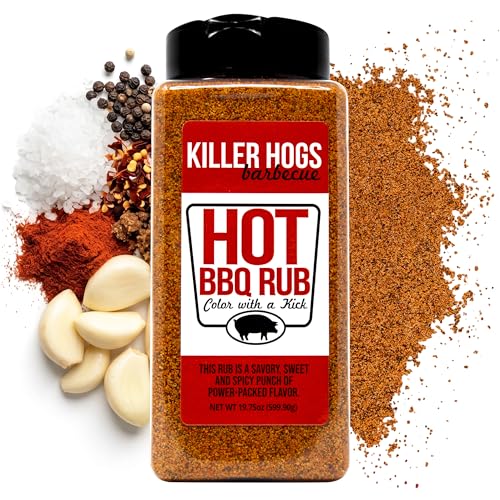
- CHAMPIONSHIP BBQ RUB – HOT BBQ rub was developed and is used by the Killer Hogs Championship BBQ team
- HIGHEST RATED RUB – We’ve been making this rub for over 10 years, shipping tens of thousands across the United States, a…
- DESIGNED FOR CONSISTENT RESULTS – We developed this rub so you don’t have to worry about seasoning your meat or veggies….
The Ultimate BBQ Ribs Ingredient Lineup
To ensure we hit all those savory, sweet, and smoky notes, we need a solid lineup. Don’t skip the quality of the pork—I prefer Baby Back ribs for their tenderness, but St. Louis style Spare Ribs work beautifully too (just add 45 minutes to the initial cook time).
For the Rib Prepp:
- 2 full racks pork Baby Back ribs (about 3-4 lbs total)
- 2 tablespoons yellow mustard (as a binder, trust me, you won’t taste it)
The Signature Dry Rub:
We’re building layers of flavor here. This is the foundation of that dark, beautiful crust.
- 1/4 cup dark brown sugar, packed
- 1 tablespoon smoked paprika (don’t use plain paprika, we want the smoke)
- 1 tablespoon coarse black pepper
- 1 tablespoon garlic powder
- 2 teaspoons onion powder
- 2 teaspoons kosher salt
- 1 teaspoon chili powder (optional, for a tiny kick)
For the “Texas Crutch” (Wrapping Liquid):
- 1/2 cup apple juice (unsweetened)
- 1/4 cup apple cider vinegar
- 2 tablespoons unsalted butter, melted
The Final Sticky Glaze:
- 1 cup of your favorite high-quality BBQ sauce (we like a molasses-based sauce for this)
- 2 tablespoons honey

The Low-and-Slow Battle Plan (Instructions)
This method follows the classic structure that guarantees success for beginners: smoke for 3 hours, wrap for 2 hours (to tenderize), glaze for 1 hour. Get your favorite drink, light the fire, and let’s do this.
Step 1: Mastering the Dry Rub
Start by making the rub. I mix all the dry rub ingredients together in a metal bowl.
Step 2: The Most Important Step: Removing the Membrane
Many beginners miss this step, and it is crucial. If you leave the membrane (the silverskin) on the back of the ribs, the rub won’t penetrate, and that side will always be tough.
Flip the ribs bone-side up. Use a small, dull knife or the edge of a spoon handle to pry up the edge of that thin, shiny membrane near one of the middle bones. Once you can get your fingers under it, use a paper towel for grip and peel it off in one satisfying strip.

Step 3: Binder and Rub Application
Apply a very thin layer of yellow mustard over the entire surface of both racks. Again, this is just a “binder.” You will not taste mustard; it just helps the rub stick. Generously sprinkle the dry rub (the beautiful mix from Image 0) all over the meat. I use a shakers bottle for even coating. Pat the rub gently into the meat—don’t “rub” it.
Step 4: Smoking on the Grill
You must setup your grill or smoker for indirect cooking at a steady temperature of 225°F–250°F (107°C–121°C). I highly recommend using a meat thermometer probe to monitor your grill temperature. For wood, I love fruitwoods like apple or cherry for ribs; it’s subtle and sweet.
Once your smoker is stable and producing clean, light-blue smoke (not heavy white smoke!), place the ribs directly on the grate, bone-side down, away from the heat source. Close the lid. This is where you develop that incredible flavor and the initial color.

Step 5: The Texas Crutch (Wrapping for Tenderness)
After 3 hours, your ribs should have a lovely dark color, and the meat will start to slightly pull back from the ends of the bones. It’s time to tenderize them. This step (known as the Texas Crutch) uses steam to break down connective tissue rapidly.
Lay out two wide, heavy-duty sheets of aluminum foil for each rack. Spritz the ribs (or lightly brush them) with a mixture of the apple juice, apple cider vinegar, and melted butter. This adds moisture and flavor.

Step 6: Finishing and Glazing (The 1 Hour)
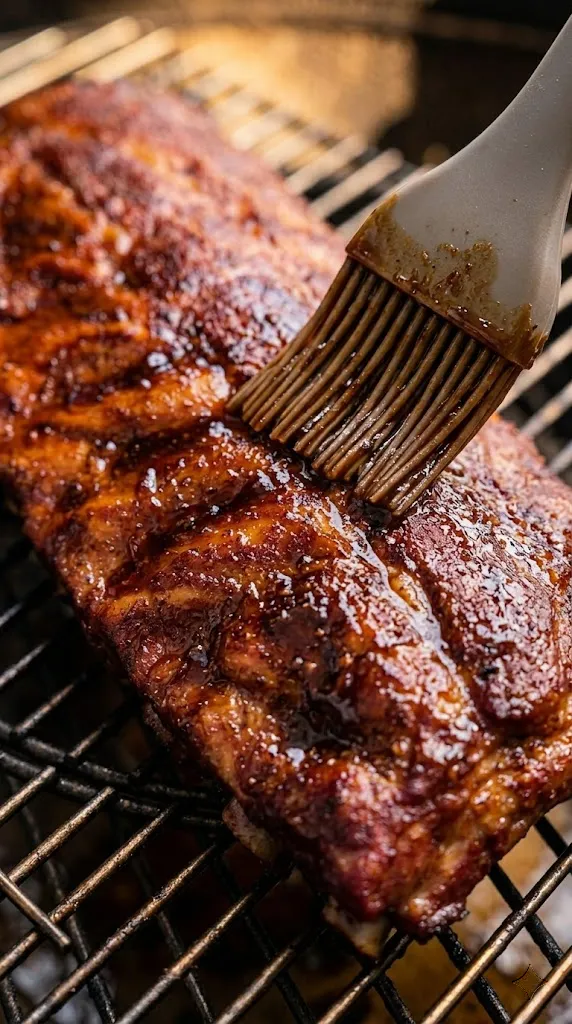
After 2 hours in the foil (still at 225°F–250°F), carefully open the packets. Be watchful of the escaping steam! The ribs will be very tender and may even start to crack. This is good. Remove them from the foil and place them back on the grate, still over indirect heat. Mix your favorite BBQ sauce with the honey to create the final glaze.
Step 7: The Rest (Crucial!)
Once the glaze is set and the ribs are beautiful (they should pass the “bend test”: pick up the rack in the middle; it should bend significantly and the meat should fracture), remove them from the grill. Place them on a cutting board, tent them loosely with foil, and let them rest for at least 15–20 minutes. Resting allows the juices to redistribute throughout the meat, ensuring every bite is moist.

- Truly Wireless Food & Meat Thermometer: 100% wire-free, the MEATER Plus gives you complete flexibility and freedom in yo…
- Freedom to Cook Anywhere: With a built-in Bluetooth repeater in the charger, MEATER Plus extends wireless range, allowin…
- Dual Sensor Accuracy: Equipped with dual temperature sensors, it monitors both internal meat temperature (up to 212°F) a…
Secrets From My Sticky Fingers (Pro Tips)
- Trust the Membrane Rule: Don’t skip removing the silverskin. It’s the difference between chewy ribs and “melt-in-your-mouth” ribs. Use the paper towel trick for grip.
- Keep Your Lid Closed: Every time you open the lid to “check,” you lose heat and smoke. If you are lookin’, you ain’t cookin’. Trust your temperature probes.
- Manage Your Fire, Not the Meat: Spend your energy keeping that smoker temperature steady at 225°F–250°F. If the temperature is right, the ribs will take care of themselves.
- The Bend Test is King: Don’t just rely on time or internal temperature (though 195°F–203°F is the target range). The bend test is the competition standard for perfect tenderness.
Tweaking the Ribs (Variations)
- Spicier Option: Add 2 teaspoons of cayenne pepper to the dry rub. You can also mix a tablespoon of hot sauce (like Cholula or Crystal) into the wrapping liquid.
- Oven Method (No Grill): Yes, you can do this! Prep and rub the ribs normally. Place them on a wire rack on a baking sheet. Cook in a 250°F (121°C) oven, following the same 3-2-1 timeline (smoke for 3 hours, wrap for 2, glaze for 1). Use liquid smoke (1 tsp) in the wrapping liquid and finish under the broiler for 5 minutes for that char.
- Spare Ribs Swap: You can swap Baby Backs for St. Louis Style Spare Ribs. They are meatier and fattier, but also tougher. Add 1 hour to the initial smoke time (4-2-1 timeline) to ensure they become tender.

What to Serve With These Beauties
The Fourth of July demands a classic side lineup. These ribs are rich, smoky, and sticky, so we need sides that offer acidity, creaminess, and freshness.
- Creamy Coleslaw: Essential for that crunchy texture contrast and vinegar tang that cuts through the rich pork fat.
- Cast Iron Cornbread: A sweet and savory cornbread is perfect for sopping up any extra BBQ glaze.
- Slow-Cooker Baked Beans: Molasses, bacon, and navy beans cooked low and slow with some onion. The sweetness is a classic pairing.
- Grilled Corn on the Cob: Since the grill is already hot, throw some corn on.
FAQ’s
Can I prep the ribs the night before?
Yes, and I recommend it! You can remove the membrane and apply the mustard binder and dry rub up to 24 hours in advance. Wrap the seasoned racks tightly in plastic wrap and refrigerate. This allows the seasoning to penetrate deeper, behaving almost like a dry brine.
How do I store leftovers?
If you miraculously have leftovers, wrap the rib racks (or cut portions) tightly in foil or store them in an airtight container in the refrigerator for up to 3 days.
What is the best way to reheat ribs?
Never microwave ribs; they turn rubbery. Reheat them gently. Place the ribs in a baking dish, add a splash of apple juice or water, cover the dish tightly with foil, and bake at 250°F (121°C) for 20–30 minutes until warmed through. You can glaze them again during the last 5 minutes.
Can I freeze cooked ribs?
Yes. Cooked, glazed ribs freeze well for up to 3 months. Wrap the cooled ribs tightly in plastic wrap, then wrap again in aluminum foil, or vacuum seal them. Thaw overnight in the refrigerator before reheating gently.
My ribs came out dry. What happened?
The primary culprit is usually heat management. If your smoker temperature constantly spiked above 275°F, or if you skipped the wrapping step, the connective tissue didn’t have enough low-and-slow time to render into gelatin, leaving the meat tough and dry. Consistency is everything.
Related Recipes:
- Top 10 Father’s Day Recipes – Easy Family Favorites
- Mango Chicken Recipe: Sweet & Savory Dish
- Stuffing Recipe Easy, Classic & Flavorful
- Herb Roasted Vegetables – Easy Healthy Side Dish
- Easy Chili Recipe: Stovetop Ground Beef
Final Thoughts
Cooking ribs, especially for a celebration like the Fourth of July, is a labor of love. It’s an investment of time and patience. But there is nothing more rewarding than seeing your friends and family with sticky hands and big smiles, pulling tender meat cleanly away from the bone. That messy joy is exactly why I keep lighting the charcoal, year after year.
I want you to experience that, too. Use this recipe. Expect to get your hands messy. Don’t stress if your fire dips—just adjust and keep going. Your ribs will be a unique expression of your love and effort. Happy cooking, and Happy Fourth of July! Let me know how they turn out!

